TL;DR: The best garden hose is long enough to reach the farthest watering point with a small amount of slack, but not so long that it becomes heavy and awkward. Material choice should reflect climate, frequency of use, storage, flexibility needs, and whether the hose may carry water intended for drinking.
A garden hose seems simple until it is too short, constantly kinked, too heavy to move, or stretched across a walkway every time you water. Choosing well starts with measuring the route and understanding how material affects handling rather than buying the longest hose on the shelf.
Measure the Real Route Not a Straight Line
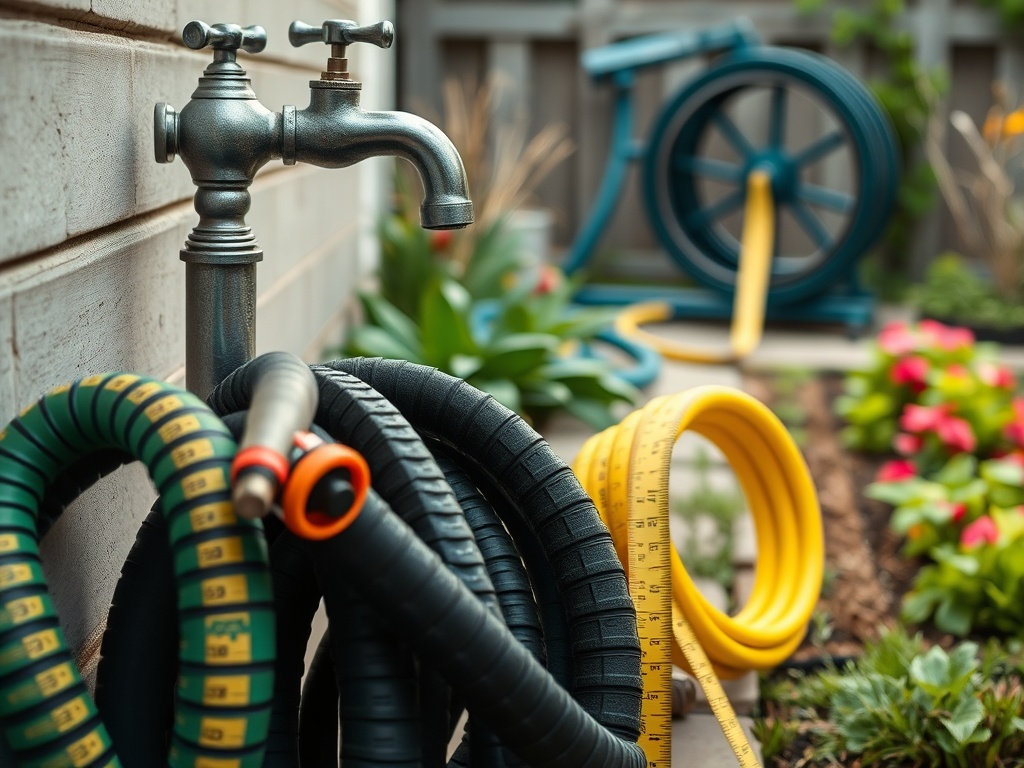
Start at the outdoor faucet and walk the path the hose will actually take. Account for corners, steps, beds, gates, and obstacles. Measure to the farthest point that needs water, then add modest working slack so the hose does not stay pulled tight at the connection.
Avoid adding a large safety margin “just in case.” Iowa State University extension advises using a hose close to the length actually needed, because extra length adds weight and can reduce convenience. If one faucet serves two distant zones, two shorter hoses or a well-placed splitter may be easier to manage than one oversized line.
Think About Diameter After Length
Hose diameter influences water delivery, especially over longer runs. A wider hose can generally carry more water, but it also weighs more and takes more storage space. For light hand watering, a common household diameter is often adequate. For filling large containers, running sprinklers, or supplying equipment with higher flow requirements, a larger diameter may be useful.
Do not choose diameter by marketing language alone. Check the demands of the nozzle, sprinkler, pressure washer, or other device you plan to use, and remember that household water pressure and elevation also affect performance.
Compare Materials by How You Will Handle the Hose
Vinyl
Vinyl hoses are often light and inexpensive. They can suit occasional watering, balconies, or users who prioritize low weight. Basic versions may kink more easily and can become stiff or brittle with age, cold, or sun exposure.
Rubber
Rubber hoses are usually heavier but are often valued for flexibility and durability across a wider temperature range. Iowa State Extension notes that rubber remains flexible at low temperatures. The trade-off is the effort required to carry, coil, and store a heavy hose.
Reinforced or Hybrid Materials
Reinforced vinyl and modern hybrid polymer hoses aim to balance weight, flexibility, and resistance to abrasion or kinking. Construction quality varies, so look beyond the material name. Couplings, reinforcement, wall thickness, warranty terms, and repairability can matter as much as the polymer family.
Use This Quick Fit Table
| Priority | Often a Good Starting Point | Trade-Off to Watch |
|---|---|---|
| Lowest carrying weight | Light vinyl or hybrid | May kink or weather faster depending on construction |
| Cold-weather flexibility | Rubber or cold-rated hybrid | More weight and bulk |
| Frequent dragging over rough surfaces | Reinforced hose | Heavier and often more expensive |
| Small patio or balcony | Short light hose | Limited reach |
| Long run to sprinklers | Appropriately sized reinforced hose | Storage and pressure/flow losses |
| Potable-water use | Hose specifically certified/labeled for that purpose | May cost more and still needs clean storage |
This table is a practical decision aid, not a performance ranking. Product quality differs widely within every category.
Check Couplings Before You Check Color
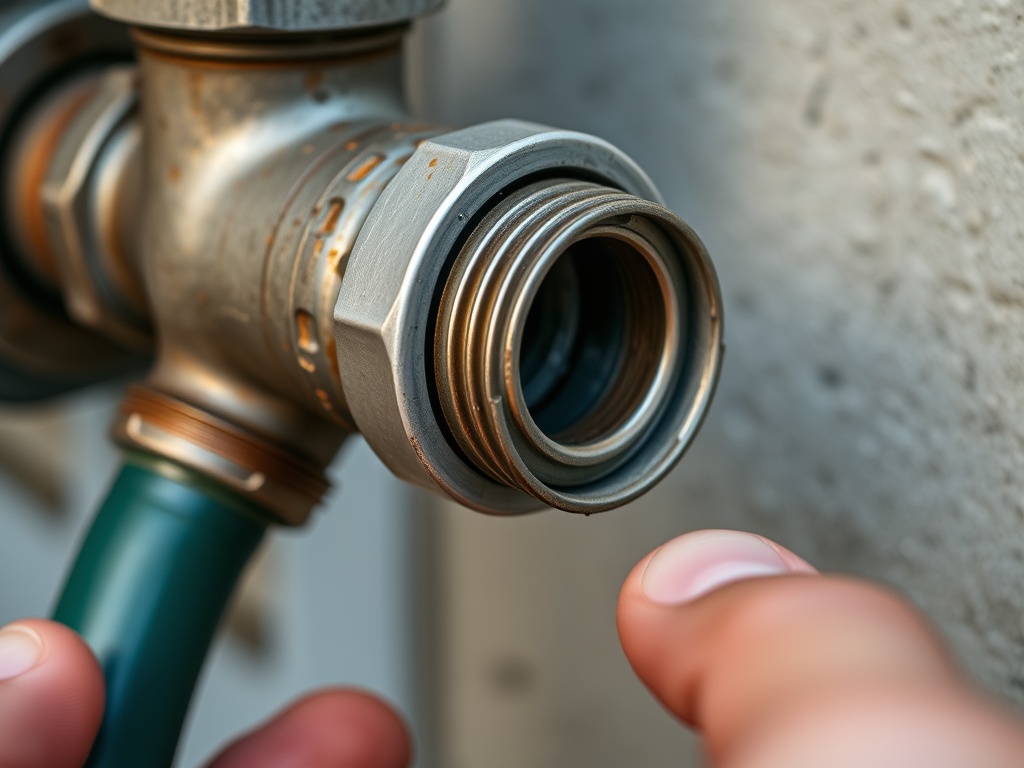
The ends of the hose take repeated twisting, pulling, and impact. Look for couplings that thread cleanly onto your faucet and accessories. A strain-relief section near the coupling can reduce sharp bends. Metal couplings can be durable, but material compatibility matters in corrosive environments, and very thin stamped fittings may deform.
A replaceable washer is a small detail with a large effect on leaks. Keep a few correct-size washers with your garden tools rather than assuming the hose itself is damaged when the connection starts dripping.
Decide Whether Water Might Be Used for Drinking
A standard garden hose should not automatically be treated as a drinking-water line. If water may be consumed by people or used in an application where potable-water contact matters, choose a product specifically intended and certified for that purpose.
NSF explains that materials used in potable-water systems should meet applicable drinking-water standards. Certification details can be technical, so check the hose manufacturer’s documentation and certification listing rather than relying on phrases such as “safe” without supporting information.
Consider Temperature Sun and Storage
A hose that stays outside all year experiences a different life from one stored in a shaded shed after each use. Strong sun can age some plastics. Freezing water trapped inside can stress hoses and fittings. Abrasion from concrete and sharp edging can wear the outer jacket.
If storage space is tight, test how easily the hose coils at the length you need. Wall reels, pots, and hangers can reduce trip hazards, but tight bends can also stress material near the ends. Drain the hose before freezing conditions and store it out of direct sun when practical.
Match the Hose to the Watering Method
Hand watering benefits from flexibility and a comfortable overall weight. A sprinkler setup benefits from enough flow and stable connections. Soaker-hose systems have different requirements again. If the hose regularly crosses an outdoor living area, the comparison of deck vs patio for everyday value can help you think through routing, storage, drainage, and surface wear around that space.
If you are using the hose during lawn establishment, avoid dragging it across fragile seedlings. The article on overseeding a thin lawn explains why newly seeded surfaces need protection during establishment.
Troubleshoot the Problems That Feel Like a Bad Hose
Low flow: fully unwind the hose, check for kinks, clean clogged screens or nozzles, test without accessories, and compare flow at the faucet. Very long runs and small diameters can reduce delivery.
Leaking at the faucet: replace the washer first and inspect the threads. Cross-threading or a damaged coupling can also cause leaks.
Kinking near the connector: support the hose with a strain-relief spring or guide, avoid pulling it tight, and keep the first several feet from making a sharp turn.
Hose feels impossible to manage: shorten the working length if possible or divide the property into zones with separate hoses.
Buy for the Yard You Have
The right hose is a fit problem more than a brand problem. Measure the route, choose enough length without excess, pick a material you can comfortably handle, confirm compatibility with your accessories, and store it in a way that protects the hose between uses.
For many households, a slightly shorter well-made hose that is easy to move will be used more effectively than a heavy extra-long model chosen for hypothetical reach. Let real distance and daily handling guide the purchase.
Home and garden information is educational only. Product construction, pressure ratings, potable-water certifications, and local plumbing conditions vary; follow manufacturer instructions and applicable safety standards for the specific hose and equipment you use.