TL;DR: The best caulk or sealant depends on the joint, movement, moisture, temperature, material, and whether the bead must be painted. Acrylic latex is convenient for many paintable interior gaps, silicone is useful in many wet-area applications, and specialized polyurethane or hybrid sealants suit demanding exterior joints. Product labels and substrate compatibility should control the final choice.
Caulk fails when the product is chosen for the wrong job, applied over dirt or moisture, or expected to bridge a joint it was never designed to handle. Instead of buying one “all-purpose” tube for every repair, match the sealant to movement, exposure, substrate, and finish requirements.
First Decide What the Joint Must Do
A small interior trim gap has different demands from a shower joint, an exterior siding penetration, or a concrete control joint. Ask five questions before choosing a product: Is the area wet? Will the joint move? What materials are being joined? Does it need paint? Will it face sunlight or large temperature changes?
The U.S. department of energy describes caulking as a method for sealing cracks between stationary building components, while weatherstripping is generally used on moving components such as doors and operable windows. That distinction prevents a common mistake: filling a moving gap with a rigid or unsuitable bead.
Acrylic Latex for Paintable Interior Gaps
Acrylic latex caulk is a practical choice for many low-movement interior gaps around baseboards, trim, crown molding, and painted joints. It is commonly easy to tool, clean up with water before curing, and paint after the specified cure time.
Its convenience does not make it ideal for constantly wet locations or large moving exterior joints. Read the product label for water exposure, joint size, cure conditions, and paintability. Some products blend acrylic with silicone or other polymers to improve flexibility and durability.
Silicone for Many Wet-Area Joints
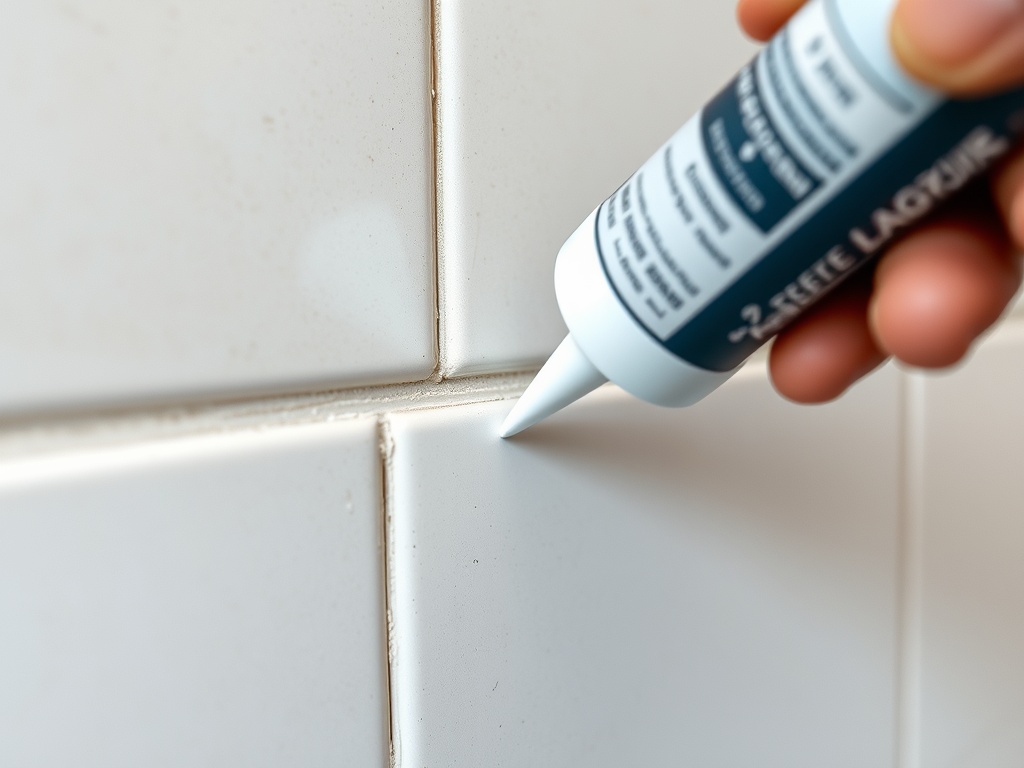
Silicone sealants are widely used around tubs, showers, sinks, backsplashes, and other moisture-exposed joints because appropriate formulations remain flexible and resist water after curing. Kitchen and bath products may also contain mildew-resistant additives.
The trade-off is finishing. Many pure silicones are not paintable, and cured silicone residue can make later adhesion difficult. Use a product explicitly labeled for the substrate and application, and do not assume every silicone is appropriate for natural stone, aquariums, food-contact zones, or structural glazing.
Polyurethane and Hybrid Sealants for Demanding Exterior Work
Exterior joints can experience sun, rain, temperature swings, and movement. Polyurethane and modern hybrid sealants are often formulated for siding, masonry, concrete, flashing, penetrations, and other demanding locations. Some are paintable; others have specific primer or substrate requirements.
These products can be harder to tool and clean than acrylic latex. Follow the technical data and safety instructions closely, especially for cure conditions and solvent exposure.
Compare Common Categories
| Caulk or Sealant Type | Common Uses | Strengths | Watch For |
|---|---|---|---|
| Acrylic latex | Interior trim and paintable gaps | Easy tooling and cleanup | Limited movement or wet-area performance depending on product |
| Siliconized acrylic | Interior/exterior general sealing | Easier cleanup with added flexibility | Performance varies by formulation |
| 100% silicone | Tubs, sinks, glass, many wet areas | Flexible and water resistant after cure | Usually not paintable; substrate compatibility matters |
| Polyurethane | Exterior joints, masonry, concrete | Strong adhesion and movement capability | Messier application; cure and primer requirements may apply |
| Hybrid/MS polymer | Multi-material exterior or interior joints | Broad adhesion and flexibility in many formulations | Cost and performance vary by product |
| Specialty fire/acoustic/high-temp | Rated assemblies or special conditions | Designed for defined performance | Must match the tested system and code requirement |
The table is a general selection guide, not a substitute for the product label or building-code requirements.
Surface Preparation Determines Whether the Bead Lasts
Remove failing caulk completely enough to expose sound bonding surfaces. Clean away dust, soap film, grease, loose paint, mold, and old residue. Let the joint dry when the product requires a dry substrate.
Masking tape can create crisp edges, but remove it before the bead skins over unless the manufacturer says otherwise. For deep joints, backer rod can control sealant depth and prevent three-sided adhesion, allowing the bead to move more predictably.
Do Not Use Caulk to Hide a Water Problem
Repeatedly sealing a crack that is wet from a roof leak, plumbing leak, foundation movement, or failed flashing can trap symptoms without fixing the cause. Before caulking, identify where the water is coming from and whether the joint is actually intended to be sealed.
Some building assemblies need drainage and ventilation paths. Weep holes, window drainage channels, and certain masonry joints should not be blocked casually. When the detail is unfamiliar, consult manufacturer installation instructions or a qualified contractor.
Apply the Right Bead Size
More caulk is not always better. A huge surface smear can look untidy and may perform worse than a properly shaped bead. Cut the nozzle to suit the joint, puncture the inner seal if required, hold the gun at a consistent angle, and move steadily.
Tool the bead according to the product instructions so it contacts both sides of the joint. Avoid repeatedly wiping the surface with a wet finger if the chemistry or label does not support that method. Some sealants require dry tooling or a specific finishing agent.
Know When a Gap Needs Something Else
Large voids may need backer rod, foam, flashing, trim, mortar repair, or carpentry rather than an oversized caulk bead. Moving doors and windows often need weatherstripping. Structural cracks need diagnosis. Gaps around flues, fireplaces, or high-temperature appliances may require listed high-temperature products and code-compliant clearances.
If you are tightening the home envelope, the department of energy’s air-sealing resources show why comprehensive sealing involves many building details beyond visible trim cracks.
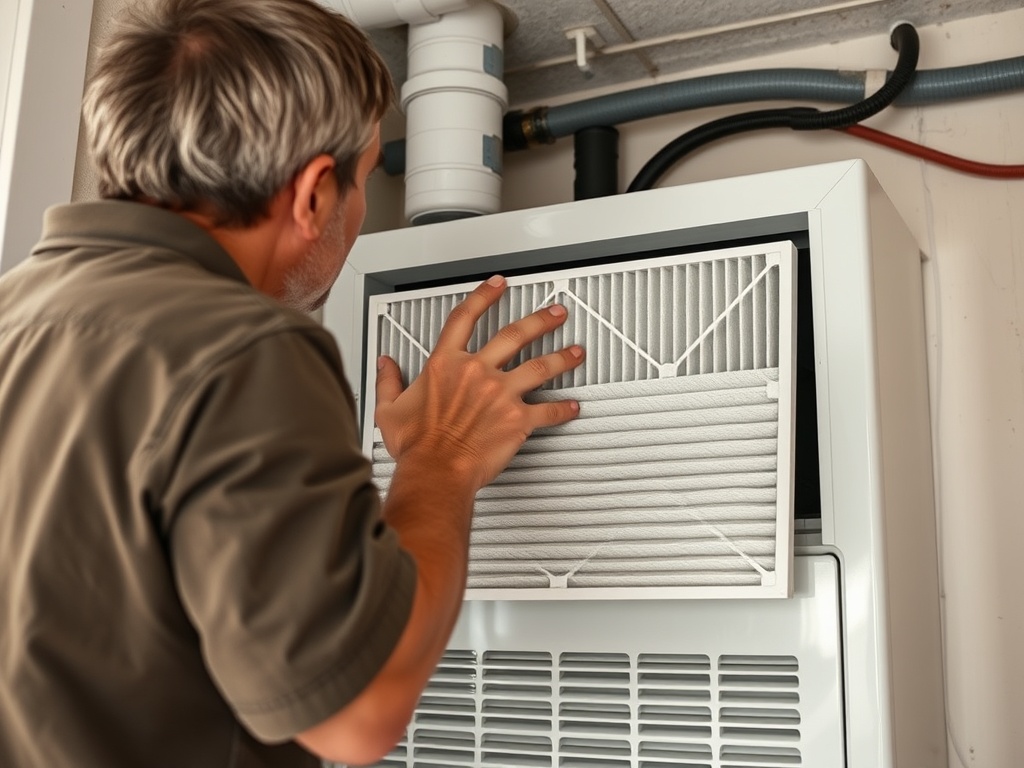
For routine mechanical upkeep after air-sealing work, changing HVAC filters and understanding timing can help maintain airflow and filtration as part of the same seasonal maintenance cycle. Around exterior foundation joints, persistent movement or moisture may also reflect drainage and soil conditions; fixing clay soil without overworking it is useful background before treating every exterior crack as a caulking problem.
Common Caulking Mistakes
Applying over old failing material: new sealant bonds only as well as the surface below it.
Ignoring cure conditions: cold, rain, humidity, and joint movement can affect curing depending on the chemistry.
Painting too soon: respect the label’s paint-ready time.
Using painter’s caulk in a shower: choose a product explicitly rated for wet-area use.
Sealing a moving component shut: doors, windows, and service panels need appropriate weatherstripping or detailing, not a permanent bead across the joint.
Build a Small Job-Based Caulk Kit
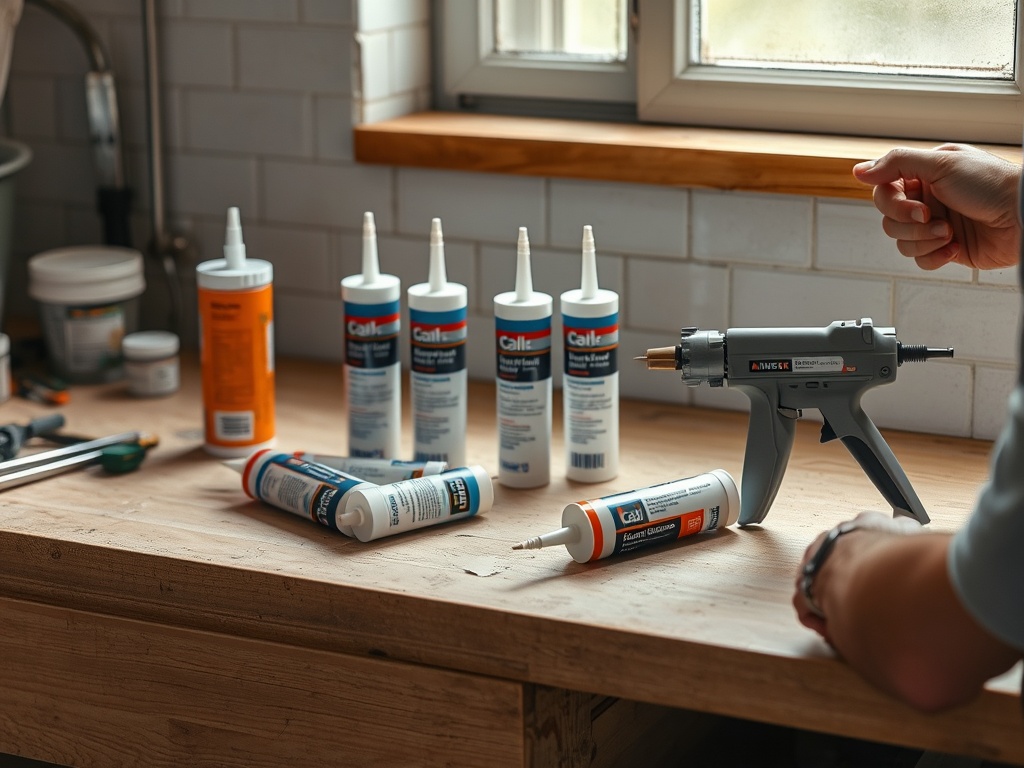
For many households, the useful kit is not one universal tube. Keep a paintable interior caulk for trim, an appropriate wet-area sealant for bathroom or kitchen joints, and buy specialized exterior or masonry sealant when the project actually requires it. Store unopened products within their labeled temperature range and note shelf life.
The safest rule is simple: choose by joint conditions, not by the loudest label claim. A modest repair made with the correct product and good preparation usually performs better than an oversized bead of the wrong material.
Home-improvement information is educational only and does not constitute structural, waterproofing, fire-safety, electrical, or code advice. Sealant chemistry, substrate compatibility, ventilation needs, and code requirements vary; follow manufacturer instructions and consult qualified professionals for critical building-envelope or life-safety joints.