Faster recovery comes from planning sleep, hydration, food, cooldowns, and workload before fatigue piles up, not from one last-minute trick after a hard game.
TL;DR: Recovery is a daily system, especially during tournaments and dense practice weeks.
- Sleep, fluids, carbohydrate, protein, and low-intensity movement usually matter more than expensive recovery gadgets.
- Pain, concussion symptoms, heat illness signs, or unusual fatigue should be treated as red flags, not normal soreness.
What recovery is trying to restore
Recovery is the process of returning the athlete toward readiness. That includes muscle function, energy stores, hydration, attention, and emotional balance. A player may feel motivated but still be under-recovered. Another player may feel sore yet be safe to complete light practice. The goal is not to erase all fatigue; the goal is to manage fatigue so performance and safety do not decline across repeated sessions. For deeper context, see CDC HEADS UP return-to-sports guidance.
This matters most during tournaments, two-a-day practices, travel weekends, and exam-heavy school periods. Recovery choices must fit the schedule. A perfect plan that no one follows is less useful than a simple plan done consistently. For deeper context, see how to throw with better accuracy in football, baseball, and ultimate.
The first hour after play
After a hard game, begin with a cooldown, fluids, and a meal or snack that includes carbohydrate and protein. The exact amount depends on body size, sport, climate, and session length, so athletes with medical or performance needs should work with qualified professionals. The practical beginner version is simple: replace fluids, eat real food, and do not skip the post-game window because of a long ride home. For deeper context, see how multi-sport participation helps long-term athletic development.
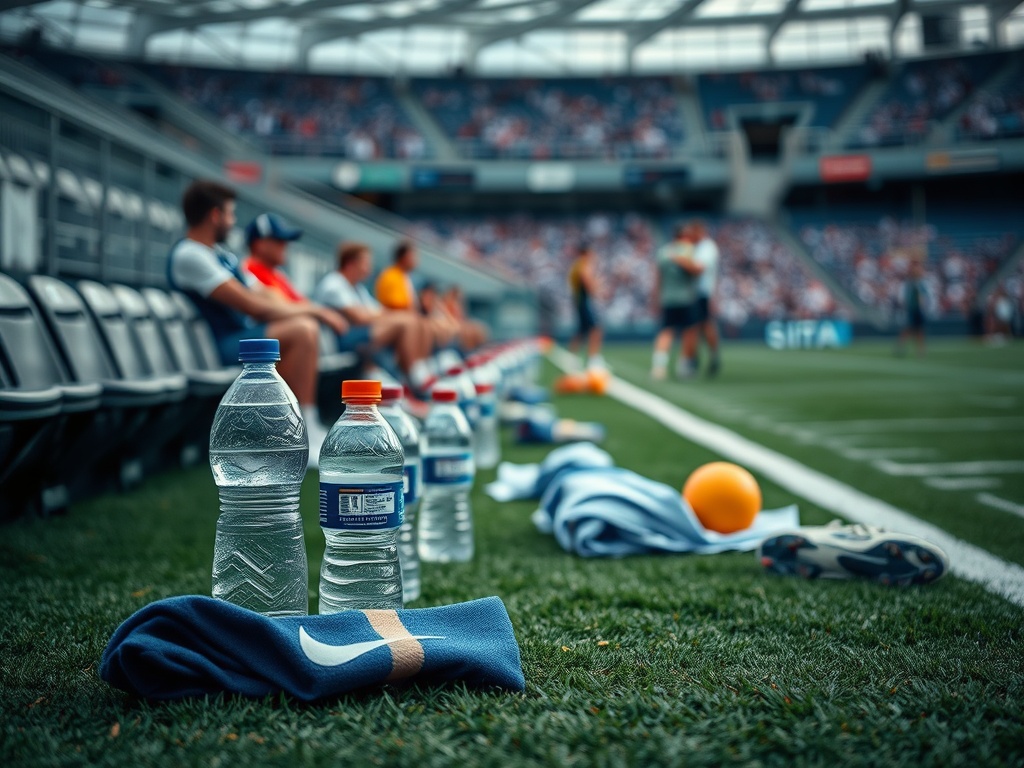
ACSM materials emphasize hydration as a performance and health consideration. For most teams, the best first step is making water and recovery snacks easy to access rather than treating recovery as an optional add-on.
Sleep as the recovery anchor
Sleep supports learning, mood, reaction time, and physical restoration. Athletes often focus on stretching or ice while ignoring late-night screens, travel chaos, and early wake-ups. During tournaments, protect the sleep opportunity. Pack earlier, set expectations with the team, and avoid turning every night into a social event.
Coaches can help by ending late practices on time and communicating schedules early. Parents can help by planning food and transport so athletes are not forced into rushed, low-quality recovery choices.
Tournament recovery framework
| Window | Priority | Practical action |
|---|---|---|
| 0-60 minutes | Rehydrate and refuel | Drink fluids and eat a balanced snack or meal |
| Same evening | Downshift nervous system | Light stretch, shower, simple routine |
| Overnight | Sleep opportunity | Protect bedtime and reduce screens |
| Next morning | Readiness check | Review soreness, mood, appetite, and energy |
| Next session | Smart workload | Use walkthrough or reduced volume if needed |
Active recovery without doing more damage
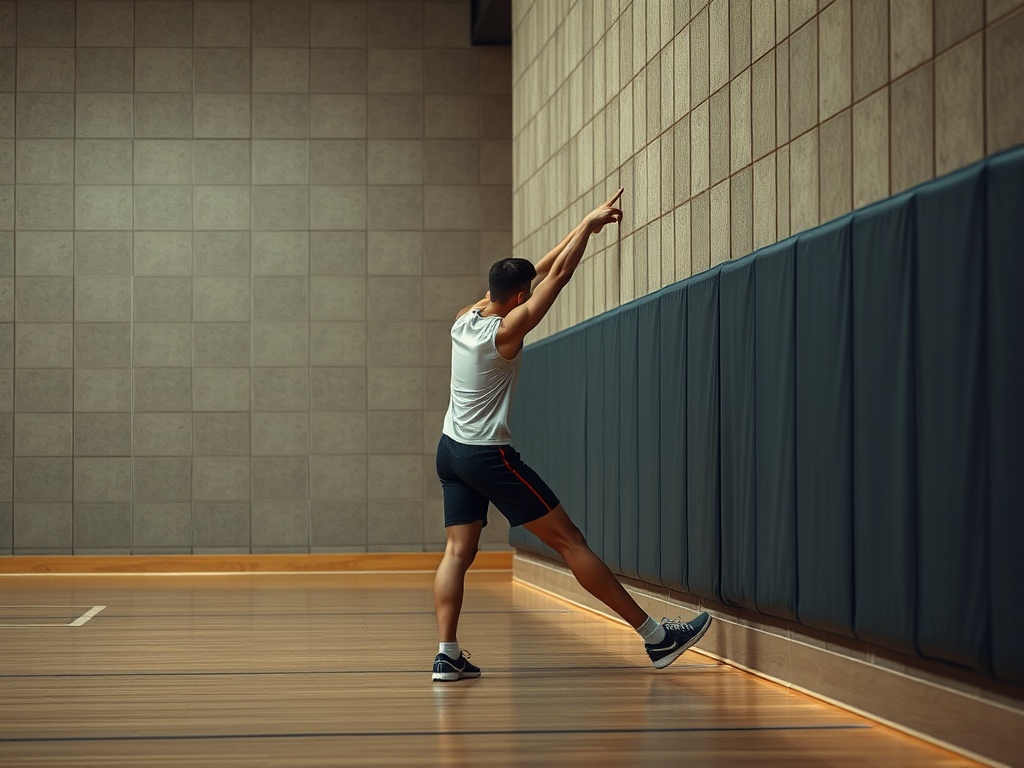
Light movement can reduce stiffness and help athletes reset, but it should not become another workout. Walking, easy cycling, mobility, and gentle skill work can be useful between games. Intense conditioning between tournament rounds usually works against the goal. If an athlete is limping, dizzy, unusually confused, or reporting head symptoms, the answer is not active recovery; it is medical attention and removal from play when appropriate.
The CDC’s HEADS UP return-to-sports guidance explains that concussion return should happen through a staged progression under healthcare provider approval. That is a safety process, not a toughness test.
Fueling mistakes that show up late
Under-eating at breakfast, relying only on sugary snacks, or ignoring heat can make the final game of a weekend feel much harder. Athletes should build a portable food plan: familiar carbohydrates, protein options, salty foods when appropriate, and fluids. New supplements on game day are risky because stomach tolerance is unknown.
The throwing accuracy article connects here because skill quality often drops when fatigue rises. Recovery protects technique as much as energy.
How to combine recovery with practice goals
Dense schedules require lower-volume practice. After a tournament, consider film review, walkthroughs, mobility, or short technical sessions instead of full-speed repeats. Athletes do not need to prove commitment by training hard when the body is clearly asking for restoration.
Use a simple readiness check: sleep quality, soreness, mood, appetite, and energy. If several are poor, adjust the day. This is not softness; it is workload management.
Recovery checklist for crowded weeks
At the start of a busy week, write down game times, travel blocks, meals, sleep windows, and school or work demands. Then place the hardest practices where recovery is most realistic, not where the calendar happens to have empty space.
Athletes should keep the checklist simple: water bottle filled, post-game snack packed, sleep target set, and soreness monitored. These small habits are easier to repeat than complicated protocols that disappear after one tournament. They also give coaches and parents a shared language, so recovery becomes a normal part of preparation instead of a separate lecture after athletes are already exhausted.
Make recovery part of the schedule
Plan recovery the same way you plan practice. The athletes who recover well usually do the basics early, consistently, and without waiting for fatigue to become a crisis.