
Taking kids to a live game is easier when the trip is planned around attention span, food, bathrooms, arrival timing, and a flexible exit strategy.
TL;DR: The best family game day is planned for the child’s experience, not only the adult’s ideal viewing experience.
- Arrive early enough to avoid stress, but not so early that kids are tired before the game starts.
- Budget for food, transport, breaks, and a possible early exit.
Plan the outing around the youngest fan
A live game can be exciting, loud, expensive, and tiring. Kids may love the first quarter and lose interest later. They may care more about snacks, mascots, music, or seeing the field than the final score. That is normal. The goal is to create a positive first association with live sports, not force a child to behave like a lifelong season-ticket holder. For deeper context, see football helmet buying guide: fit, safety features, and certification basics.
Before buying tickets, check start time, travel distance, weather, seat location, venue rules, and bag policies. A cheaper ticket is not always better if it adds difficult stairs, poor shade, or a long walk to bathrooms.
Tickets, seats, and arrival timing
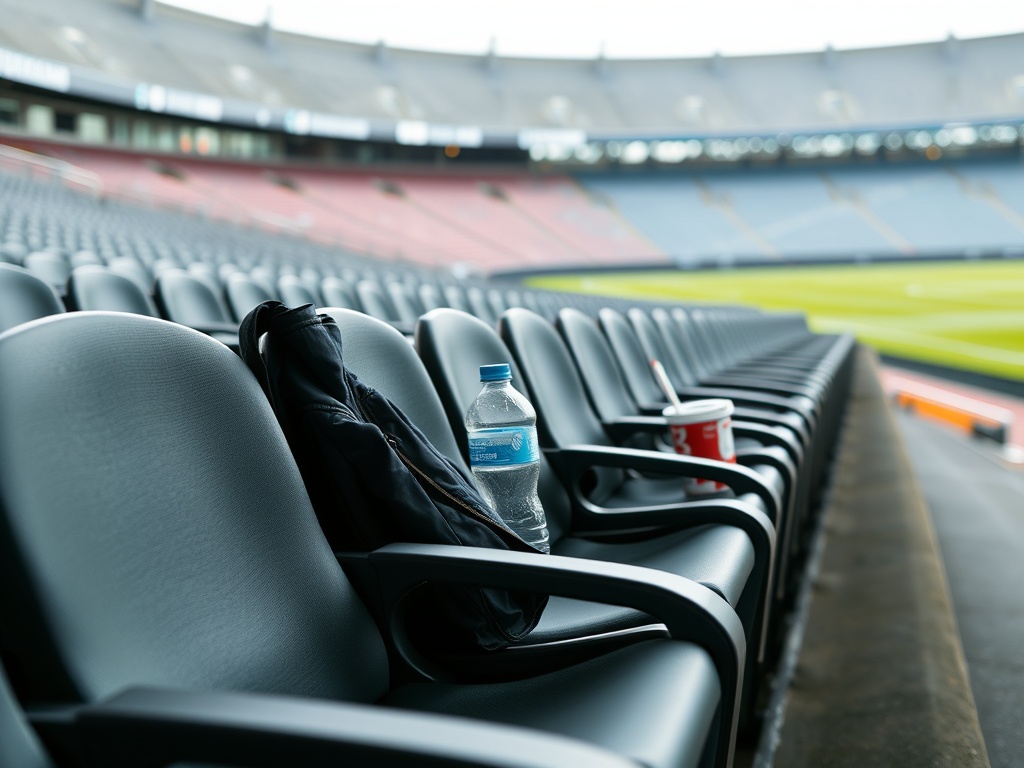
Choose seats with practical needs in mind. Aisle seats help with bathroom breaks. Shaded areas matter for day games. Lower rows may look exciting but can limit the view for small children in some venues. Upper sections may be calmer but require more stairs. Read the venue map and accessibility information before checkout.
Arrive early enough to find seats, eat, and visit the bathroom before the game begins. Avoid arriving so early that kids burn through patience before the first meaningful action.
What to pack and what to leave home
Pack within venue rules: light layers, approved bags, ear protection for loud venues, wipes, small snacks if allowed, and a portable charger. Leave expensive toys, messy items, and anything with unclear security rules at home. If the event is outdoors, check the forecast and bring sun or rain protection as allowed.
The football helmet buying guide is a different gear decision, but it shares the same principle: practical fit beats appearance. For family game day, practical comfort beats the perfect photo. For deeper context, see the business model behind youth sports clubs and academies.
Family game-day planning table
| Planning area | Question to ask | Kid-friendly choice |
|---|---|---|
| Seats | Can we reach bathrooms easily? | Aisle or lower-stair section |
| Timing | Will waiting become tiring? | Arrive with a short buffer |
| Food | Will lines be long? | Eat before or plan one snack stop |
| Noise | Is the venue very loud? | Bring approved ear protection |
| Exit | What counts as success? | Leave before meltdown if needed |
Money-saving without spoiling the day
Look at total cost, not just ticket price. Parking, transit, concessions, merchandise, and service fees can change the budget quickly. Eat a meal before entering if the schedule allows. Set a souvenir limit before reaching the merchandise stand. For popular events, compare family sections, weekday games, minor league options, college games, or early-season matchups. For deeper context, see sports ETA research reports.
Do not make the child responsible for the cost pressure. If the budget is tight, choose a smaller event and make it fun.
Venue etiquette kids can understand
Teach three simple rules: stay in your space, watch where you walk, and respect other fans. Kids do not need a lecture on every tradition. Explain cheering, standing, and quiet moments as they happen. If a child gets restless, use a concourse walk rather than scolding through an entire inning or quarter.
Parents can model good fan behavior. Avoid abusive language toward officials, athletes, or opposing fans. A child’s first live game should show excitement without cruelty.
Have a flexible exit plan
Some families stay until the final whistle. Others leave early to avoid crowds or bedtime chaos. Either can be the right call. Decide what success looks like before the trip: maybe seeing warmups, staying through halftime, or making it to the seventh-inning stretch. A positive shorter visit is better than a miserable full game.
Afterward, ask what the child enjoyed. Use that answer to choose the next event, not only the adult’s favorite sport.
Small details that make the outing easier
Take a photo of your parking area or transit stop before entering the venue, but avoid sharing it publicly in real time. Set a meeting point for older kids and explain what staff uniforms look like if anyone gets separated.
For younger children, build in a predictable break. A short walk during a less important stretch of play can save the final part of the visit. The best family sports memories often come from pacing the day well. A relaxed parent also helps, so build enough margin into the plan that small delays do not turn into arguments before the game begins.
Make the memory bigger than the scoreboard
Plan for comfort, breaks, and flexibility. A child who leaves happy is more likely to want another game than one who was forced through an exhausting day.