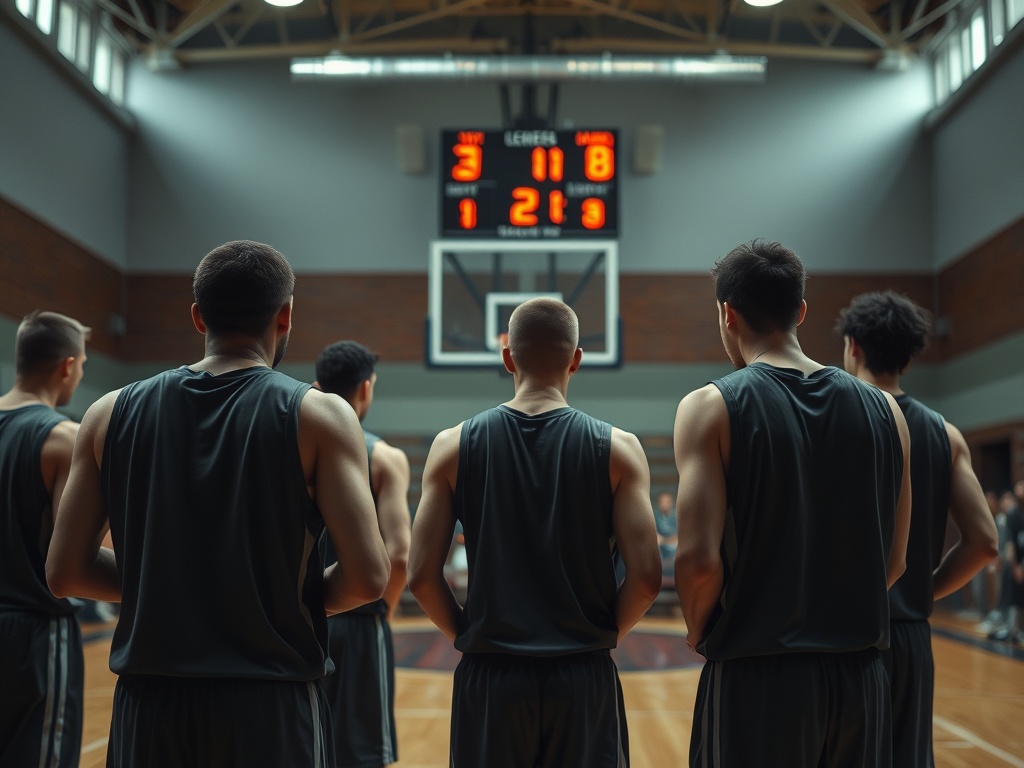

The better path depends on whether you enjoy building an audience through consistent content or testing yourself through structured competition; many gamers combine both, but each path rewards different habits.
TL;DR: Streamers need consistency, communication, community management, and content instincts.
- Competitors need deliberate practice, review, teamwork, and tournament resilience.
- The best choice is the one you can sustain when progress is slow.
What streamer versus competitor means now
A streamer is a creator who turns gameplay, personality, education, commentary, or community into content. A competitor is a player trying to improve results in ranked ladders, leagues, qualifiers, or tournaments. The two paths overlap, but their daily priorities differ. Streaming asks, “Why would someone watch this?” Competition asks, “How do we win more often?” For deeper context, see twitch creator camp.
Some elite players stream. Some creators compete casually. Beginners should still understand the difference because time is limited. A schedule built for audience growth may not leave enough focused practice, while a schedule built for competition may not produce entertaining content.
The streamer path in practice
Streaming is not only pressing the go-live button. Twitch Creator Camp frames streaming as a mix of setup, going live, branding, community, categories, monetization, and channel basics. YouTube’s live streaming guidance highlights analytics such as watch time, audience retention, demographics, and concurrent viewers. That means creators must think about both the live moment and the replayable value of content.
A new streamer should practice speaking clearly, managing chat boundaries, creating titles and thumbnails where relevant, and turning one session into clips or lessons. The game matters, but the viewer experience matters just as much. For deeper context, see YouTube live streaming guide.
The competitor path in practice
Competitive players need structured improvement. That includes warmups, role clarity, replay review, scrims, ranked blocks, communication standards, and rest. Raw hours help only when the player is learning from them. A competitor who repeats the same mistake for six hours may be building stamina, not skill.
Competitors also need emotional control. Losing streaks, teammate conflict, meta changes, and tournament nerves can distort decision-making. The close-game composure guide applies to gaming because match point pressure is still pressure. For deeper context, see British esports career pathways.
Path comparison for realistic planning
| Factor | Streamer path | Competitor path |
|---|---|---|
| Main output | Live sessions, clips, community | Results, rankings, tournament play |
| Core skill | Communication and consistency | Practice quality and decision-making |
| Feedback | Views, retention, chat, follows | Win rate, VOD review, team feedback |
| Risk | Burnout from always being on | Tilt from result pressure |
| Best first habit | Schedule repeatable streams | Review one loss pattern daily |
Hybrid paths and trade-offs
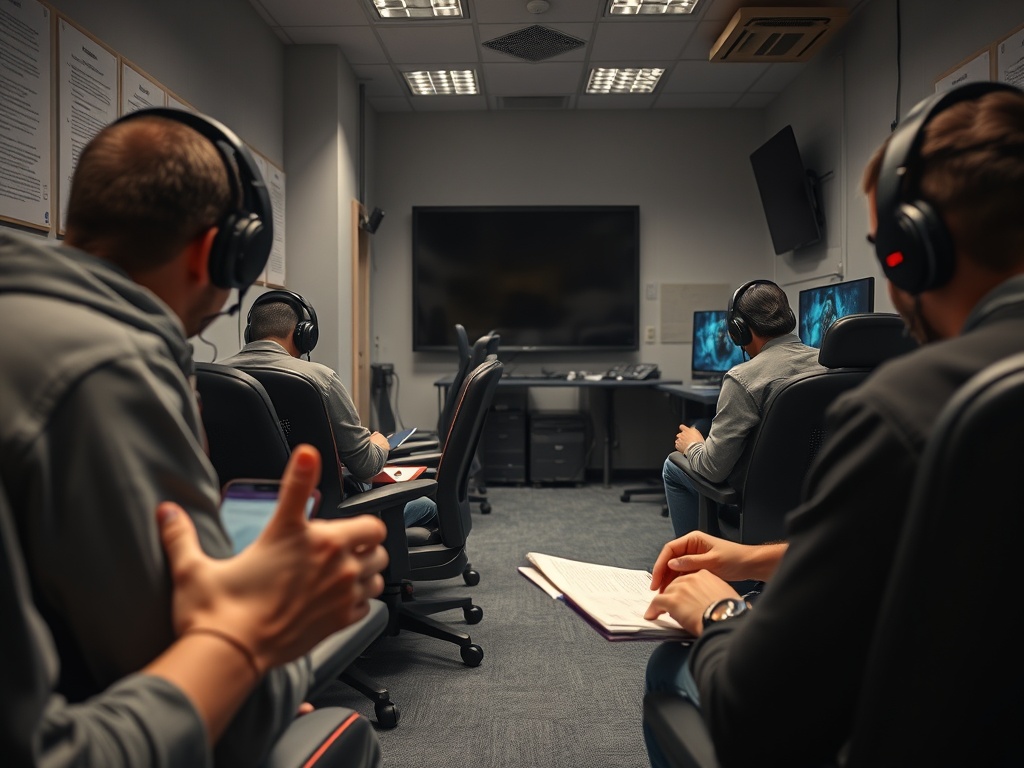
The hybrid path is attractive: compete well, stream the climb, build an audience, and open career options. The trade-off is focus. Scrim comms may not be stream-friendly. Serious practice may require privacy. Community engagement can interrupt review. A hybrid plan works best when blocks are separated: content sessions, practice sessions, review sessions, and rest. For deeper context, see how to stay composed in close games and high-leverage moments.
Esports career resources from British Esports also show that gaming careers extend beyond player and streamer roles, including production, events, data, coaching, and other support paths.
How to choose your first 90 days
Pick one primary goal for 90 days. Streamer goal: publish on a predictable schedule, review audience retention or chat activity, and improve one content habit each week. Competitor goal: choose a role, track ranked or scrim outcomes, review losses, and enter low-stakes events when ready. Hybrid goal: keep content and practice blocks separate.
Avoid buying expensive equipment before proving the routine. A clear microphone and stable connection help, but consistency and learning matter more at the start.
Signals that you picked the right path
The streamer path may fit if you enjoy explaining decisions, reacting with viewers, and building a community even on slow growth days. The competitor path may fit if you enjoy review, repetition, and pressure even without public attention. Both paths require patience. Neither is easy money or easy status.
A practical next step is to choose one measurable habit this week: three scheduled streams, three replay reviews, or one small tournament entry. Let the data and your energy tell you what to refine.
A weekly schedule test for gaming goals
Write a sample week before choosing the path. A streamer schedule might include three live blocks, one clipping block, and one analytics review. A competitor schedule might include mechanical warmups, ranked blocks, team practice, replay notes, and one rest day.
Then ask which schedule you would still follow after a bad week. The honest answer matters. Streaming and competing both reward consistency after disappointment more than excitement on day one. A schedule that protects sleep, school, work, and relationships is more likely to last than one built only around grinding longer hours.
Choose the routine you can repeat
Pick the path that matches your motivation, then test it for 90 days. Sustainable habits reveal fit better than fantasies about instant success.