TL;DR: A faster weekly cleaning reset usually comes from a small set of versatile tools kept ready to use: microfiber cloths, a dependable vacuum, a mop suited to the floor, a scrub brush, a squeegee, a duster or extension tool, and a portable caddy. The best kit reduces tool changes and matches each surface rather than relying on more chemicals.
Weekly cleaning gets faster when the tools remove soil efficiently, travel easily from room to room, and are stored where people can reach them. A crowded cabinet of specialized gadgets often slows the process because every task begins with searching, assembling, or switching equipment.
Build the Kit Around the Dirt You Actually Have
Start by listing the messes that appear every week: crumbs, dust, pet hair, cooking splatter, bathroom film, fingerprints, tracked soil, or hard-floor debris. Then choose tools that handle multiple rooms without damaging surfaces.
A household with two shedding dogs and rugs needs a different vacuum strategy from a small apartment with hard floors. A glass-heavy bathroom may benefit from a squeegee, while a home with ceiling fans needs an extendable duster more than another countertop brush.
Microfiber Cloths Are the Workhorses
Reusable microfiber cloths can handle dusting, wiping, polishing, and many routine cleaning tasks with water or an appropriate cleaner. Keep separate cloth groups for kitchens, bathrooms, general dusting, and glass if cross-contamination or residue is a concern.
Fold each cloth into quarters so you can expose a clean face as you work. That simple method reduces trips to rinse and helps prevent redistributing grime. Wash used cloths according to the manufacturer; fabric softener can reduce absorbency and performance on some microfiber products.
A Vacuum Should Match Floors Furniture and Storage
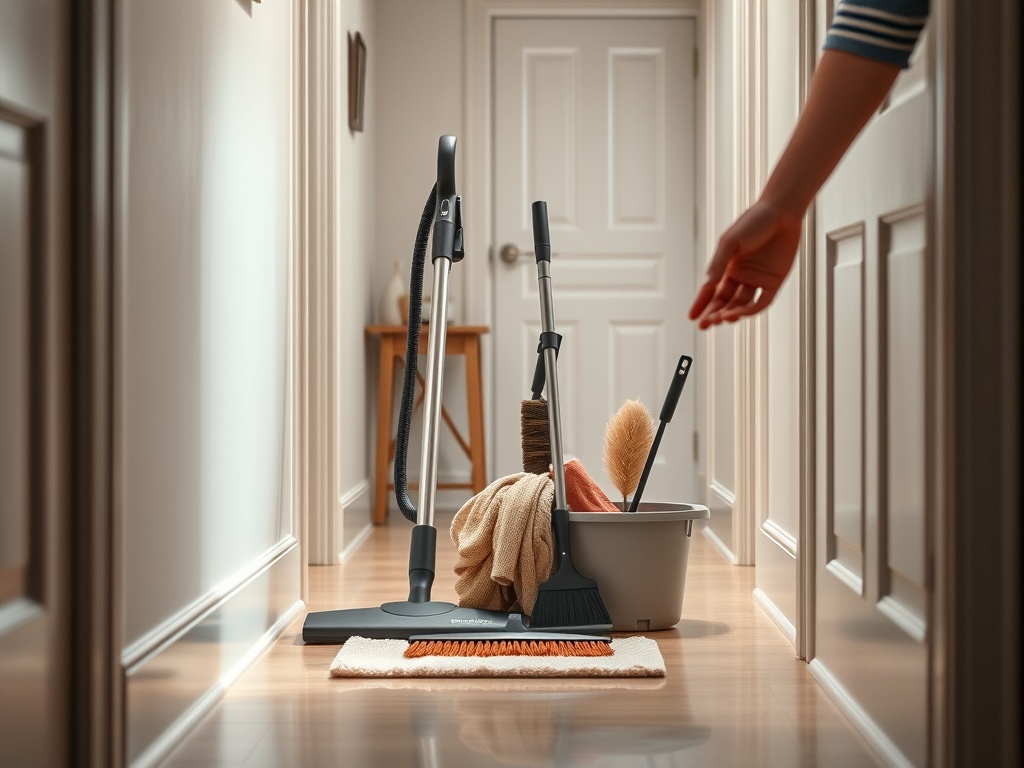
The best vacuum is the one that can reach the surfaces you clean every week without becoming a chore to move. Useful features may include a powered floor head for carpets, a switchable brush roll for hard floors, a crevice tool, upholstery tool, and a hose long enough to reach stairs or furniture edges.
Cordless stick vacuums are convenient for quick resets but depend on battery runtime and bin capacity. Canister and upright machines can offer stronger sustained cleaning in some homes but take more storage. There is no universal winner; choose by floor mix, debris type, carrying comfort, filtration needs, and maintenance requirements.
Use a Mop That Fits the Floor Manufacturer’s Guidance
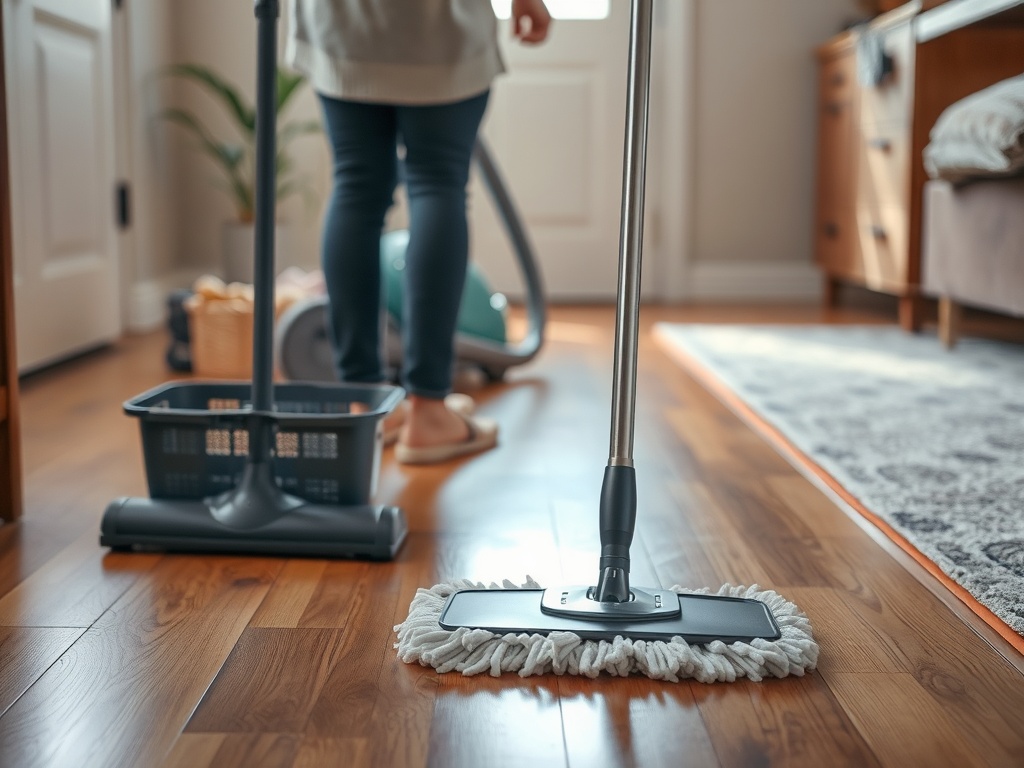
Spray mops, flat microfiber mops, spin mops, and traditional string mops all have appropriate uses. The critical issue is how much moisture the floor can tolerate. Excess water can damage some wood, laminate, and resilient-flooring installations.
Use the cleaner and moisture level recommended by the floor manufacturer. A reusable flat mop can be efficient for routine hard-floor resets because the pad covers a broad area and can often be changed quickly between rooms.
Keep One Small Scrub Brush and One Detail Brush
A medium hand brush handles grout lines, sink edges, textured shower surfaces, and stubborn spots where a cloth lacks agitation. A small detail brush or old toothbrush can reach faucet bases, window tracks, and hardware recesses.
Add a Squeegee Where Water Is the Main Problem
A simple shower or glass squeegee removes water before it dries into spots or leaves a film. Used regularly, it can reduce the amount of scrubbing needed during the weekly reset. It also helps on mirrors or large glass surfaces after appropriate cleaning.
Extend Your Reach Instead of Climbing
An extendable microfiber duster or washable dusting head can reach ceiling fans, high trim, vents, and upper shelves. This reduces unnecessary ladder use for light routine dusting. For heavier work or areas near electrical equipment, use appropriate access equipment and safety procedures.
Dust high surfaces before vacuuming or mopping so fallen debris is collected during the floor pass. This top-to-bottom order is a workflow preference supported by basic efficiency: do not clean the floor and then knock dust onto it.
Use a Caddy to Eliminate Back-and-Forth Trips
A compact caddy can hold cloths, a small brush, gloves, and the few cleaners used for the current zone. Keep heavy or hazardous chemicals secured separately if the caddy is accessible to children or pets.
The goal is not carrying the whole cleaning cabinet. It is reducing unnecessary walking while keeping products limited to what the surfaces require.
A Practical Tool Matrix
| Weekly Task | Efficient Core Tool | Why It Helps |
|---|---|---|
| Dust and fingerprints | Microfiber cloth | Multiple clean faces from one folded cloth |
| Crumbs and pet hair | Vacuum suited to floor type | Collects dry debris before wet cleaning |
| Hard-floor reset | Appropriate flat or wet mop | Covers broad areas with controlled moisture |
| Bathroom buildup | Medium scrub brush | Adds mechanical agitation where cloths struggle |
| Glass and shower water | Squeegee | Removes water quickly before deposits build |
| High surfaces | Extendable duster | Reduces repeated step-stool setup for light dust |
| Room-to-room supplies | Small caddy | Keeps essentials together during the reset |
This is a workflow shortlist, not a product ranking. Surface manufacturer instructions should determine what materials and chemicals are safe.
Clean First and Disinfect Only When It Is Needed
Routine cleaning and disinfection are different tasks. The CDC’s household cleaning guidance states that regular cleaning with soap or detergent removes dirt and many germs, while disinfecting is more relevant when someone is sick or when specific circumstances call for it.
That distinction can save time and reduce unnecessary chemical use. Clean visible soil first. If disinfection is appropriate, use a product suitable for the surface, follow the label, respect contact time, ventilate as directed, and never mix cleaning chemicals.
Create a Faster Order of Operations
A weekly reset can follow one repeatable route: pick up clutter, start laundry if needed, dust high-to-low, clean kitchens and bathrooms, vacuum dry debris, then mop hard floors. The exact order can change, but grouping similar tasks reduces tool switching.
Maintain the Tools or They Become the Mess
Empty vacuum bins before they overfill, clean brush rolls, wash mop pads and cloths, rinse scrub brushes, and let damp tools dry fully before storage. Replace worn vacuum filters and cleaning heads according to manufacturer instructions.
A dirty tool transfers soil and odors instead of removing them. A short tool-maintenance pass after the reset can make the next session noticeably easier.
Know Where Efficiency Stops and Safety Starts
Do not use the same cloth on a toilet and a kitchen counter. Do not mix bleach with ammonia, acids, or other cleaners. Follow labels for ventilation and protective equipment. Avoid saturating electronics, unfinished wood, natural stone, or flooring that cannot tolerate excess moisture.
Recurring indoor dirt can begin outside. If muddy entry traffic follows every rain, fixing clay soil without overworking it may help address a slow-draining garden source rather than just the floor symptoms. If overspray repeatedly wets doors or hardscape, better summer watering timing can reduce avoidable splash and runoff near the house.
Keep the Weekly Reset Intentionally Small
Speed comes from reducing decisions and transitions. Store the tools ready, use the same route, clean from high to low, handle dry debris before wet work, and maintain equipment after use. That is usually more effective than adding another gadget to the closet.
Home-cleaning information is educational only. Surface-care requirements, chemical hazards, appliance instructions, and household health needs vary. Follow product labels and manufacturer guidance, and seek professional advice for mold, hazardous contamination, or cleaning situations that exceed routine household maintenance.