TL;DR: Weed prevention is easier when bare soil stays covered, desirable plants fill available space, weeds are removed before they set seed, and new weed seeds are not repeatedly brought to the surface. Mulch, timely hand removal, careful irrigation, and selective use of labeled products can reduce recurring work without promising a weed-free yard.
Weeds become a weekend burden when the garden keeps creating open opportunities for them. The lowest-maintenance strategy is not one dramatic treatment. It is a series of small choices that reduce bare soil, seed production, disturbance, and wasted irrigation.
Prevention Starts With Understanding How Weeds Arrive
Annual weeds often appear from seed already present in the soil or newly introduced by wind, animals, compost, mulch, equipment, or neighboring plants. Perennial weeds may also return from roots, rhizomes, stolons, or other underground structures. That difference matters because pulling a young annual before it flowers can be highly effective, while repeatedly snapping the top from a deep-rooted perennial may leave the plant able to regrow.
Instead of treating every unwanted plant the same way, identify the weed when possible and decide whether the priority is stopping seed, exhausting underground reserves, smothering seedlings, or correcting the site condition that favors it.
Cover Bare Soil Before Weed Seedlings Claim It
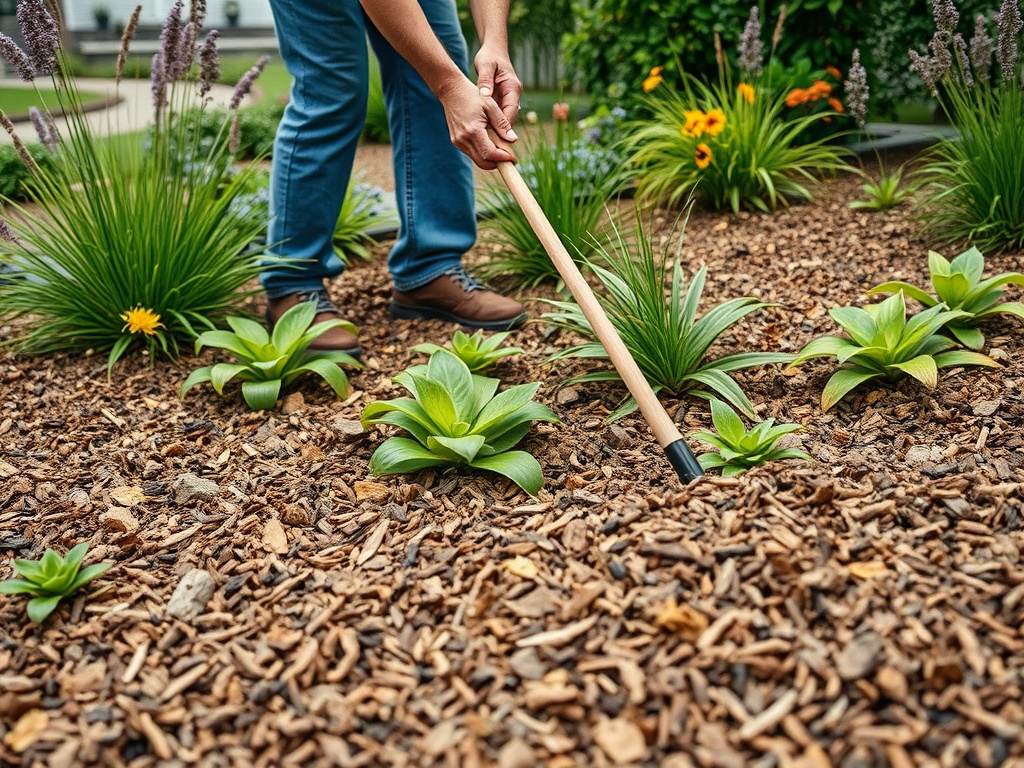
Mulch is one of the most practical weed-prevention tools in ornamental beds. It reduces the light that many weed seedlings need and also protects soil moisture. penn state extension notes that properly applied mulch can suppress weed growth, although exact depth and material should be matched to the planting.
Organic options include wood chips, shredded bark, leaves, straw, or composted materials. Inorganic materials can also suppress weeds, but they do not add organic matter as they age. Avoid piling mulch against stems and trunks, and replenish only when the existing layer has broken down enough to justify more.
The broader soil benefits of organic cover are explained in the guide to fixing clay soil without overworking it, where mulch also helps reduce crusting and unnecessary cultivation.
Pull Small Weeds Before They Become Seed Factories
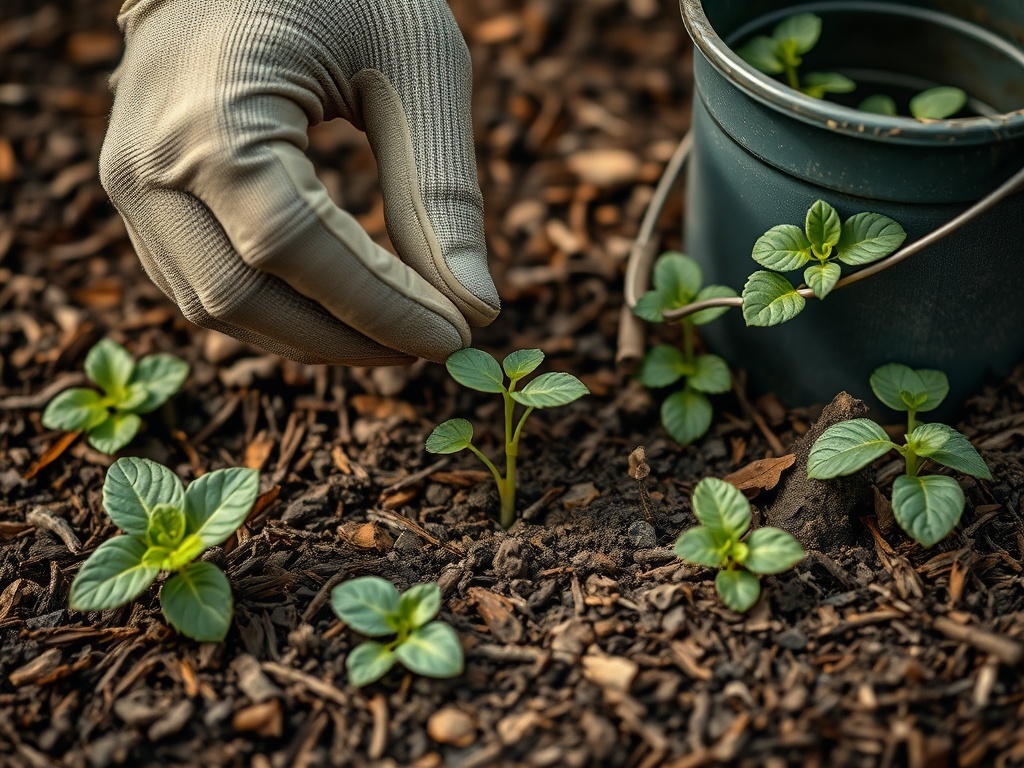
A brief pass through a bed after rain can prevent much more work later. Seedlings are easier to remove when roots are small and soil is moist enough to release them. The key is timing: remove weeds before flowering and seed maturation whenever practical.
Carry a small bucket or garden trug so seed-bearing weeds do not get dropped elsewhere in the yard. If you compost weeds, be cautious with mature seed heads, aggressive roots, and diseased material. Home compost piles do not always reach conditions that reliably destroy every weed seed or vegetative propagule.
Disturb the Soil Less Often
Every cultivation pass can expose buried weed seed to light and create new germination opportunities. Hoeing is useful when it severs tiny seedlings near the surface, but deep repeated digging can bring another layer of seed upward.
For established beds, target the weed rather than turning the whole soil profile. Where a new bed must be prepared, complete the major disturbance once, then rely more heavily on mulch, dense planting, and shallow maintenance.
Use Plant Spacing as Part of Weed Control
Healthy ornamental plants, groundcovers, vegetables, and turf can occupy the light, water, and space that weeds would otherwise use. This is not a reason to crowd plants beyond their mature needs, but it is a reason to avoid leaving large permanent gaps if the design does not require them.
In lawns, thin turf often invites weeds because sunlight reaches the soil surface. If your grass coverage is poor, overseeding a thin lawn for better coverage can be part of the prevention plan after underlying issues such as shade, compaction, or irrigation are addressed.
Put Water Where Desired Plants Can Use It
Broad overhead watering can support weeds in pathways and open spaces that do not need irrigation. Drip emitters or soaker lines can concentrate moisture around desired plants, especially in beds with wide spacing.
This does not eliminate weeds, because many species survive on rainfall alone, but it can reduce one resource that encourages growth in unwanted areas. It can also make watering more efficient. The article on the best time of day to water plants in summer explains how timing and root-zone checks can further reduce unnecessary irrigation.
Edge Beds Before Weeds Cross the Boundary
Grass and creeping weeds often enter beds from the perimeter. A defined edge makes that movement easier to see and interrupt. The best edging material is less important than consistent inspection. A trench edge, metal strip, masonry border, or maintained transition can all work if it is installed appropriately and does not create a mowing or trip hazard.
Watch fence lines, utility boxes, shrub bases, and the back edge of beds. These are common places for weeds to mature unnoticed and reseed the rest of the property.
Be Careful With Landscape Fabric
Landscape fabric can reduce weeds in some situations, particularly beneath certain inorganic mulches or temporary installations, but it is not maintenance-free. Organic debris can collect on top, creating a new layer where weeds germinate. Roots can grow through the material, making later removal difficult.
For perennial ornamental beds that will be replanted or divided, a deep organic mulch may be easier to manage over time. This is a design preference rather than a universal rule; site use and material choice matter.
If You Use Herbicides Use Them as a Targeted Tool
Herbicides can be appropriate in some landscapes, but prevention should not be confused with indiscriminate spraying. Identify the weed, read the entire label, verify the product is labeled for the site and target, and follow timing, protective-equipment, weather, and re-entry directions. Local rules can differ.
Pre-emergent herbicides interfere with germination or early growth and can also affect desired seed, including newly sown lawn grass. Post-emergent products vary in selectivity and mode of action. If you are unsure, consult local extension guidance or a qualified professional rather than combining products by trial and error.
A Low-Chore Weekly Rhythm
A manageable routine can be short: scan beds for flowering weeds, pull small seedlings, check mulch gaps, clear weeds at edges, and inspect irrigation overspray. Once a month, look for recurring patterns. If the same weed returns in one wet corner, a drainage or watering adjustment may save more labor than repeated pulling.
This routine works because it catches problems while they are small. Waiting until weeds are tall enough to dominate a bed turns prevention into removal and often allows a new generation of seed to enter the soil.
Reduce Future Weeding by Changing the Conditions
The most durable weed strategy is to make the landscape less inviting to unwanted plants. Keep soil covered, maintain healthy plant density, avoid unnecessary tillage, water deliberately, prevent seed set, and solve thin turf or drainage problems that create repeated openings.
Some weeds will still appear. The realistic goal is not permanent sterility; it is a garden where weeds stay scattered enough to remove during routine care rather than consuming an entire weekend.
Home and garden information is for educational purposes only. Weed biology, pesticide labels, local regulations, and desirable plant sensitivity vary by region. Follow product labels and local extension or licensed-professional guidance when chemical control is considered.