
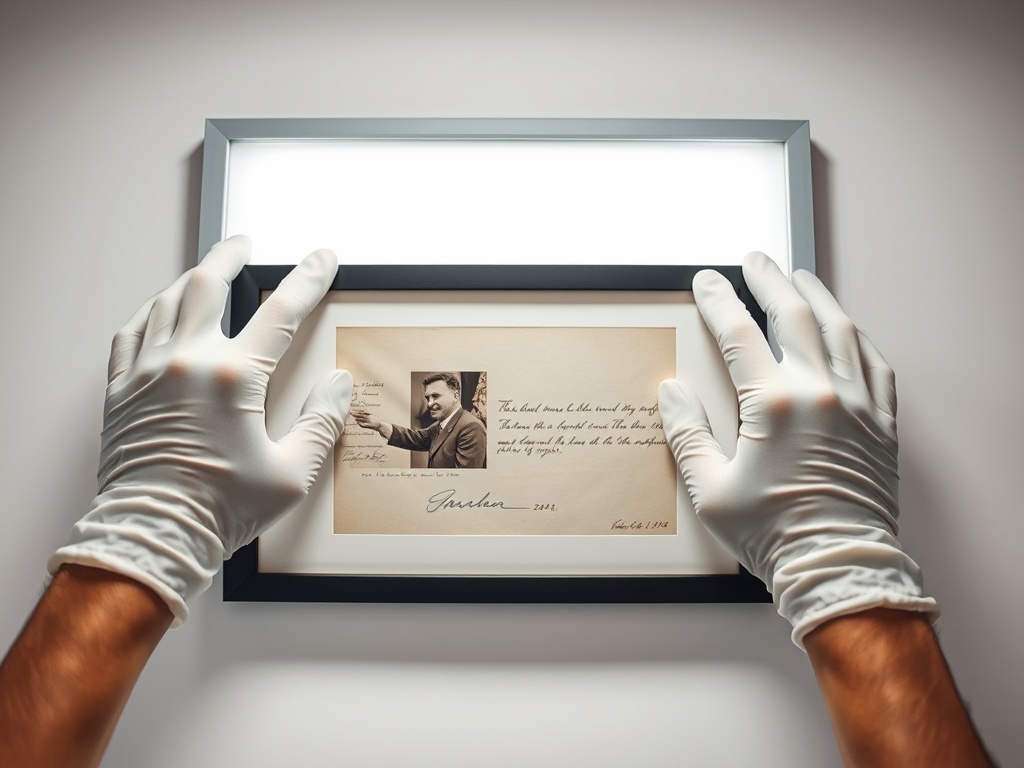
A signature and an authentication are not the same thing — and confusing the two is one of the most expensive mistakes a collector can make.
TL;DR — Key Takeaways
- A signed item carries a signature; an authenticated item has been verified by a qualified third party to be genuine.
- Signatures can be forged; authentication is designed to verify that a signature is legitimate.
- Authentication quality varies widely — some authentication services are more credible than others.
- Always trace the provenance of signed items before purchasing, especially at significant price points.
The Core Distinction
A signed item is any object bearing what appears to be the signature of a notable person — an athlete, musician, actor, author, or public figure. The signature may be genuine, or it may not be. The signed item itself makes no claim about authenticity; it simply exists.
An authenticated item has been reviewed by a third-party authentication service — a company or expert that has examined the signature and determined, to a stated degree of confidence, that it is genuine. The authentication is typically accompanied by a certificate of authenticity (COA) and, in more robust cases, a unique identifier tied to a database record.
The gap between these two states is the space where most collector disputes and losses occur. A signed baseball with no authentication, purchased from an estate sale, is a high-risk acquisition. The same baseball with third-party authentication from a credible service is a much safer purchase — though not risk-free. For a broader introduction to collecting frameworks, the guide to starting an entertainment memorabilia collection covers the foundational context for new collectors.
How Authentication Works
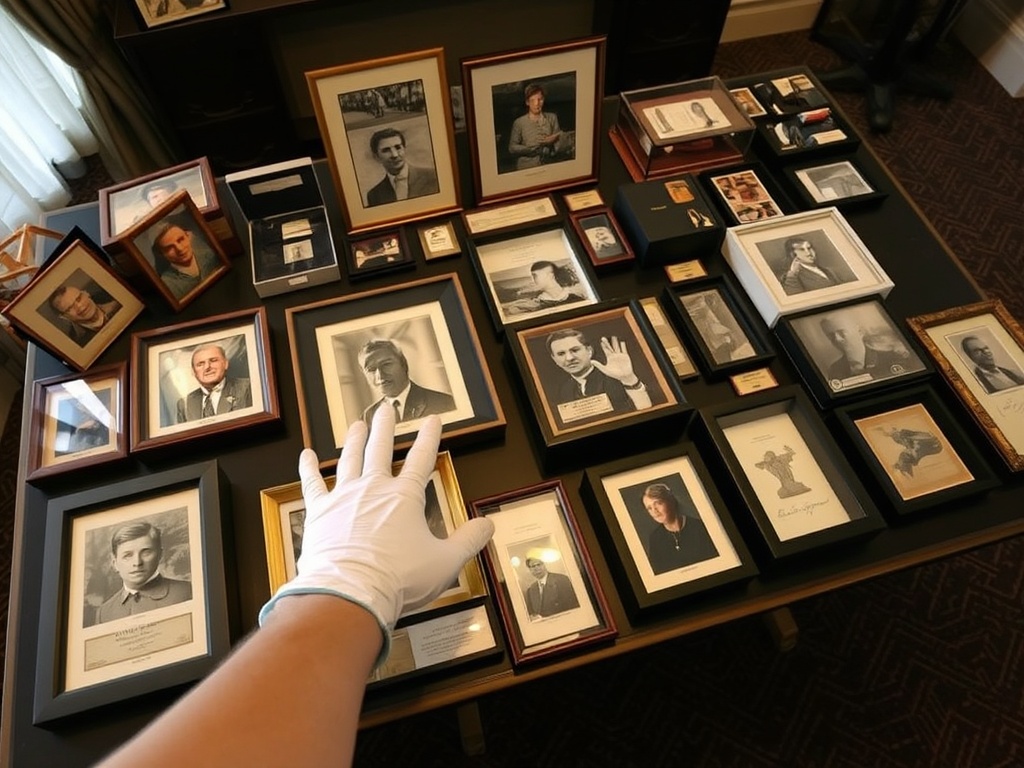
Authentication services examine signatures using several methods: comparison against a database of verified exemplars (confirmed genuine signatures from the same person), provenance research (documentation of the item’s ownership history), physical analysis of the writing instrument and surface, and in some cases photographic or video evidence of the signing.
The two most widely recognized authentication services for sports memorabilia are Professional Sports Authenticator (PSA) and Beckett Authentication Services (BAS). For entertainment and music memorabilia, JSA (James Spence Authentication) is also well-regarded. These are not endorsements of any specific service — buyers should research current market reputation and any service’s track record before relying on their authentication.
Why Certificates of Authenticity Are Not Enough
A certificate of authenticity (COA) is only as reliable as the organization that issued it. A COA from a seller authenticating their own items — a practice that does occur — provides essentially no additional assurance. The presence of a COA, without knowing who issued it and what process they used, is a weak signal.
The memorabilia industry has a documented history of fraudulent COAs. The FBI art crime team has pursued numerous memorabilia fraud cases where sophisticated COAs accompanied forged signatures. A COA from a recognized third-party service with an independently verifiable record is meaningful; a COA from an unknown issuer is not.
Comparison: What Each Type Offers the Buyer
| Factor | Signed (No Authentication) | Signed + Third-Party Authentication |
|---|---|---|
| Signature genuineness | Unverified | Verified to authenticator’s standard |
| Price premium | None | Significant — authentication adds value |
| Resale value | Lower and harder to establish | Higher and more liquid |
| Risk to buyer | High — depends on provenance only | Lower — but authenticator quality matters |
| Dispute resolution | Difficult — no objective record | Possible — authentication records exist |
| Insurance eligibility | Limited or unavailable | More readily insurable with documentation |
Provenance: The Third Factor
Neither a signature nor authentication fully substitute for strong provenance. Provenance is the documented history of an item’s ownership and origin. An item with clear, documented provenance — photographic evidence of a signing, a letter of provenance from a credible source, auction house records — is more reliable than one that relies entirely on authentication.
The strongest items in the collectibles market combine all three: a visible signature, reputable third-party authentication, and documented provenance. Items with any one of the three, but not all, require proportionally more buyer diligence. For more on the documentation side of collecting, the guide to what ‘limited edition’ actually means in collectibles covers adjacent terminology that frequently appears in the same market.
Red Flags When Buying
- The seller offers their own COA rather than third-party authentication.
- The price is significantly below market — authenticated items from known figures hold consistent prices in a functional market.
- Provenance is vague: ‘obtained from the family’ without documentation.
- Authentication is from a service you cannot find information about.
- The seller is reluctant to allow independent authentication before purchase.
When to Get Independent Authentication
For any signed item above a modest price threshold — the exact figure varies by collector, but many experienced collectors use $200–300 as a starting point — independent authentication before purchase is worth the cost. Major authentication services charge $25–100 per item depending on the type and value; this cost is small relative to the protection it provides.
Your Buyer’s Checklist
- Research the authentication service named on any COA — what is their market reputation?
- Ask for all available provenance documentation.
- Compare the asking price to authenticated examples of the same item on recent auction records.
- For significant purchases, consider submitting for independent authentication before completing the transaction.
- Store authentication documentation with the item permanently — it transfers value to future buyers.