

Whether a film reaches you first in a cinema, on a streaming app, or barely at all often comes down to who released it — and how.
TL;DR — Key Takeaways
- A24 relies on limited releases and critical buzz to build word-of-mouth before expanding.
- Major studios open wide on thousands of screens to capture mass box-office revenue in the first weekend.
- Release strategy shapes which films get marketing spend, awards consideration, and streaming windows.
- Neither model is universally ‘better’ — each serves a different audience goal.
What Release Strategy Actually Means
Release strategy covers every decision between finishing a film and putting it in front of viewers: how many screens on opening weekend, which markets open first, when the film appears on streaming, and how much marketing is spent in each phase. Two companies that have made sharply different choices on all of these dimensions are A24 and the traditional major studios (Universal, Warner Bros., Disney, Paramount, Sony, and Lionsgate).
Understanding these differences helps explain why a celebrated film like Everything Everywhere All at Once was playing in 10 theaters for weeks before most audiences had heard of it — and why that was an intentional decision, not a distribution failure.
The A24 Model: Slow Burn and Selective Reach
A24, founded in 2012, built its reputation on a platform release model. A platform release starts in a small number of theaters — often just a handful in major cities — then expands as reviews accumulate and word spreads. The logic is that critical praise and audience conversation do the marketing work before the wider audience spends money on a ticket.
This strategy requires patience and a specific kind of film. A24 selects projects that tend to reward close attention, generate critical discourse, and attract cinephile communities willing to seek a film out. For more on how film criticism and word-of-mouth interact, this breakdown of trend pieces, criticism, and reviews explains how different types of cultural writing shape audience expectations.
A24’s marketing is equally distinctive — art-house aesthetics, minimal celebrity promotion, and campaigns that lean into the surreal or unsettling. A poster for an A24 film looks nothing like a Marvel film poster, and that differentiation is strategic.
The Major Studio Model: Wide Releases and Opening-Weekend Dominance
Traditional major studios operate on a wide-release model for tentpole films: open on 3,000–4,500 screens on the same weekend, spend $100–200 million on marketing, and aim to recoup as much as possible before the inevitable drop in week two. The opening weekend figure becomes a story in itself, influencing stock prices, sequel greenlight decisions, and international distribution deals.
For studios releasing superhero franchises, animated films, or IP-driven blockbusters, wide release makes economic sense. The audience already exists, awareness is baked in from prior entries, and the box-office return depends on volume rather than longevity. The National association of theatre owners tracks these patterns in detail, and its data consistently shows that opening-weekend revenue represents a larger share of total domestic gross for wide releases than for platform releases.
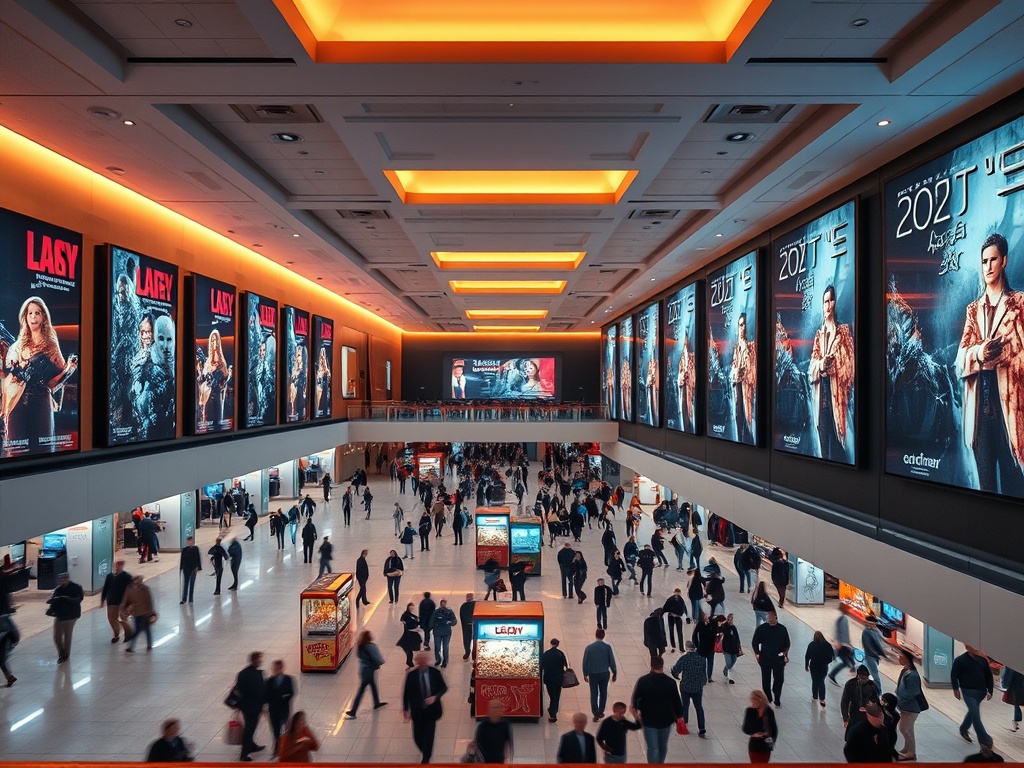
Side-by-Side: How the Two Approaches Compare
| Factor | A24 | Major Studios |
|---|---|---|
| Opening screen count | 10–200 (platform) | 3,000–4,500 (wide) |
| Marketing budget | Moderate, targeted | Very high, mass-market |
| Audience target | Cinephiles, awards voters | Broad mainstream audience |
| Revenue model | Long theatrical run + awards boost | Maximum first-weekend gross |
| Streaming window | Often 45–90 days post-theatrical | Variable; some day-and-date |
| Awards strategy | Core to business model | Selective; genre-dependent |
Awards Season as a Business Tool
A24 treats awards season the way major studios treat opening weekends: as a primary revenue event, not a prestige add-on. A film that wins or is nominated for Best Picture will re-expand in theaters, attract international buyers willing to pay more for distribution rights, and generate sustained streaming revenue long after the theatrical run ends.
Major studios do pursue awards — particularly through specialty labels like Focus Features (Universal) or Searchlight (Disney) — but the core business remains tentpole films. Awards success for a studio is valuable; for A24, it is foundational. You can read more about how limited versus ongoing formats shape storytelling expectations — the same creative risk-tolerance logic applies across film and television.
What This Means for Viewers
The practical consequence of release strategy is access. If you do not live in a major city, an A24 platform release may never reach a cinema near you during its first weeks — or at all. Major studio wide releases, by contrast, are available everywhere on day one.
Streaming has shifted this somewhat. A24 has licensing agreements that move films to streaming faster than before, and the company launched its own channel. Major studios vary: some use streaming as a day-and-date release option, others protect the theatrical window. For any given film, the path from festival premiere to your screen depends heavily on who distributed it and which financial model they are optimizing.
Choosing Between the Two for Your Viewing Habits
If you prioritize cinematic ambition, challenging narratives, and strong critical reception, tracking A24’s release calendar is worth your time. If you prioritize franchise continuity, spectacle, and same-day wide availability, major studio schedules align better with those preferences. Most film lovers draw from both.
The model you care about most may shift depending on whether you are choosing a solo film night, a date, or a family outing — context changes what ‘best’ means.
Your Next Move
Look up the current A24 release calendar alongside a studio like Universal’s lineup and compare what is available in your area. The A24 official site lists current and upcoming releases. For the studios, major theater chains list all wide releases by weekend. Tracking both gives you a fuller picture of what is actually available — and what you might need to travel or wait for.