
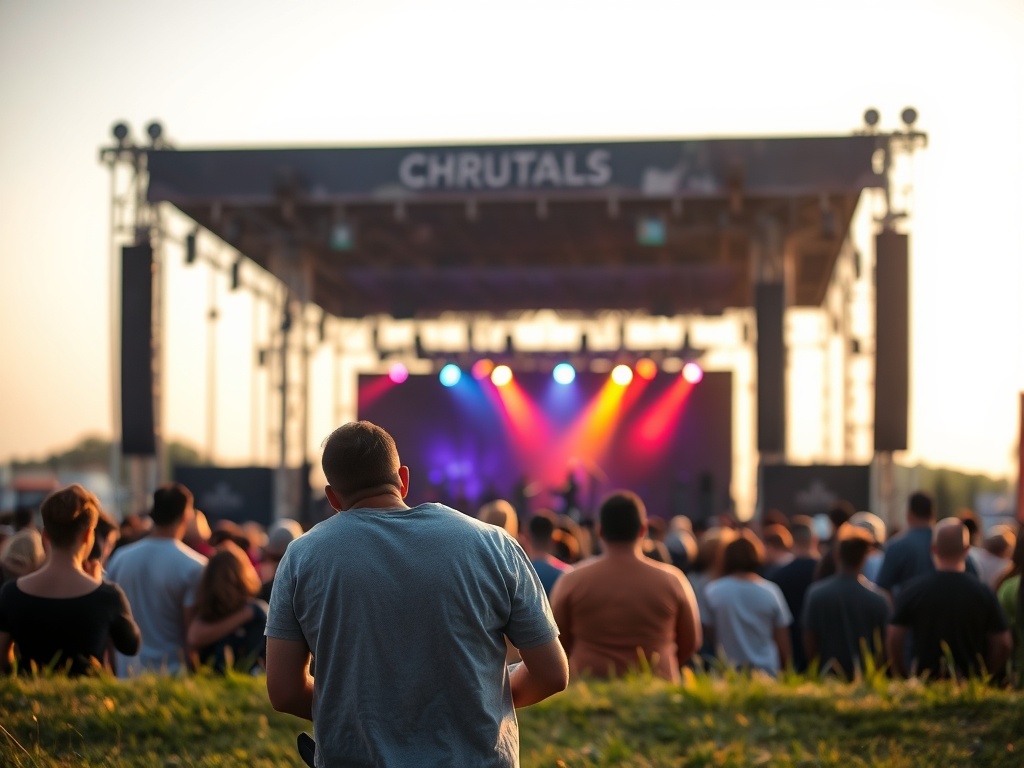
A clear event schedule built before you arrive is the difference between intentionally experiencing what matters to you and accidentally missing it while standing in a food line.
TL;DR — Key Takeaways
- Identify your absolute must-see acts or sessions first — these anchor everything else.
- Build in travel time between venues, stages, or sessions; most attendees underestimate this.
- Keep a flexible window of 15–20 minutes between consecutive must-sees for unexpected delays.
- Printed and screenshot backups beat apps when signal is poor.
Why People Miss the Acts They Most Wanted to See
At multi-stage festivals, conferences, and large live events, schedule conflicts and poor planning account for far more missed experiences than any other factor. Overconfidence in navigation time, failure to account for set changeovers, and over-scheduling are the three most common causes.
Overconfidence in navigation time is especially common at outdoor festivals where stages may look close on a map but require 10–15 minutes of crowd navigation in practice. Set changeovers — the time between one act finishing and the next beginning — also vary. A listed 8:00 PM start rarely means the act begins at exactly 8:00 PM.
Step 1: Build Your Priority List First
Before looking at any schedule, list the acts, speakers, or sessions you absolutely cannot miss. Keep this list short: two to four items for a single-day event, four to six for a multi-day event. These are your anchors. Everything else is optional context. If you are also navigating exhibition spaces at a museum-adjacent event, the same logic applies — the museum map prioritization approach offers a compatible framework for a similar challenge.
Write your priority list before you look at the full schedule — otherwise the schedule will anchor your thinking and you may discover your priorities only after you have already mentally committed to a different sequence.
Step 2: Map Conflicts and Choose
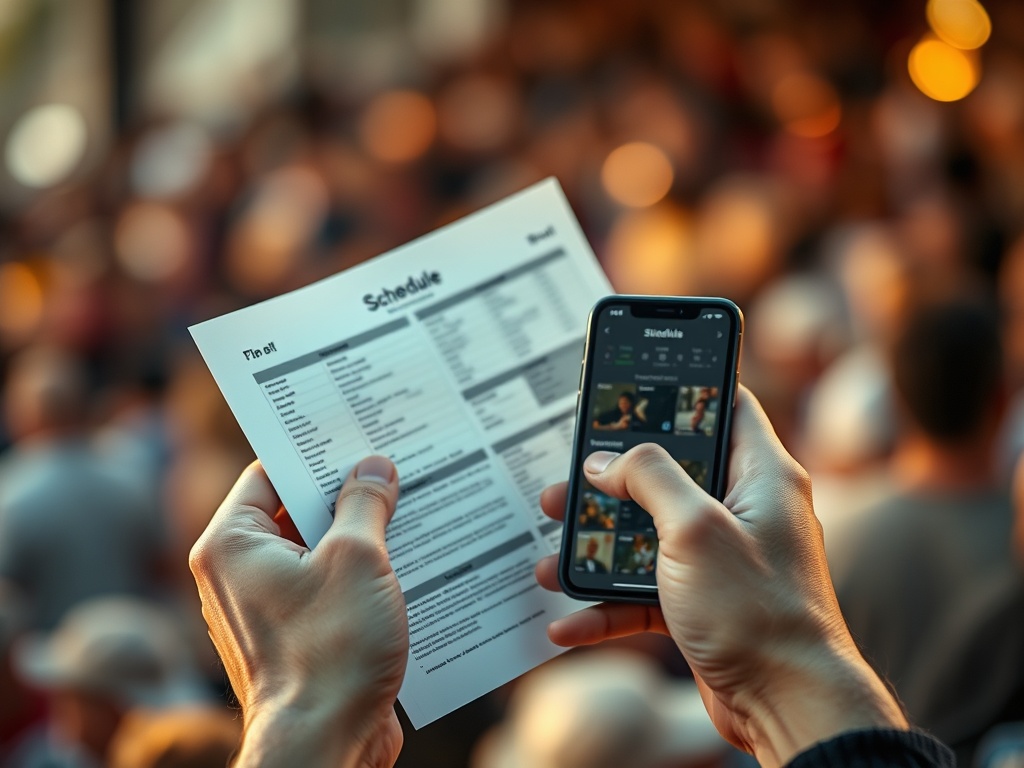
Download or screenshot the full schedule in grid form. Lay your priorities against each other. Identify conflicts: two must-see acts at overlapping times at different stages. Most attendees discover they cannot see everything they wanted and must make active choices.
For each conflict, decide in advance. Making a decision at the festival under pressure — with one act already playing, noise in the background, and a crowd between you and the other stage — is harder and slower than deciding in advance.
Step 3: Build Buffer Into Every Transition
Between each scheduled item, add a realistic travel time plus a 10-minute buffer. If the walk from Stage A to Stage B takes 8 minutes under ideal conditions, schedule 18–20 minutes. You will spend some of that buffer on restroom stops, getting drinks, or navigating unexpected crowd density.
For multi-day events, also build in genuine rest. Attending 12 hours of programming without rest is possible; enjoying it is not. A 30–60 minute break in the middle of the day significantly improves the second half of any live event experience.
- Write priority items with start times and stage/location.
- Add realistic travel time between each item.
- Add 10–15 minute buffer to every transition.
- Identify any conflict points and make your choice in advance.
- Slot optional items into remaining free time, not priority slots.
Step 4: Prepare for Signal and Battery Failure
Festival apps frequently fail precisely when most needed: high-traffic moments when thousands of attendees are simultaneously checking schedules. Screenshot your final schedule on your phone and email it to yourself as a backup. A printed copy is worth carrying for multi-day events where battery management is a real concern. Tools like Festicket’s schedule tools and apps specific to individual festivals often offer offline mode — enable it before you lose signal.
Managing the Schedule on the Day
Your schedule is a plan, not a contract. Acts run late. Weather changes stage positions. Crowds make some paths impossible. Build a decision tree: if Act A runs 10 minutes over, which path gets me to Priority B in time? Knowing your fallback in advance keeps you calm.
If you are attending a ticketed live performance — theater, opera, or a touring production rather than a festival — the same pre-planning principles apply, though the stakes of each individual decision are lower. The comparison of A24 and major studio release strategies covers how pre-planning your cultural consumption choices extends beyond live events into what films reach you first.
After the Event
Review what you actually did against your planned schedule. Most people find they saw three-quarters of their priorities and discovered one or two unplanned experiences they valued. The discrepancy between planned and actual is useful data for building a better schedule next time.
Your Next Step
For your next live event, build your priority list the week before — not the morning of. Five minutes of early planning buys far more than thirty minutes of frantic schedule-checking on the day.