
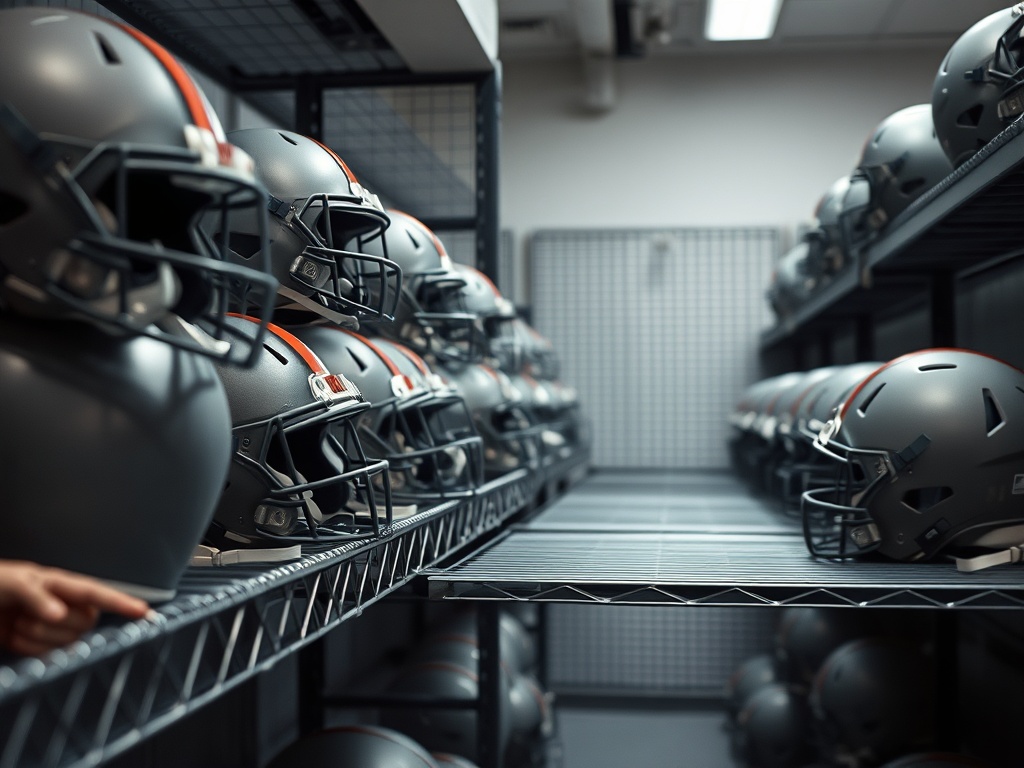
A football helmet should be bought for verified fit, current certification status, position-appropriate comfort, and reconditioning history, not just brand, shell style, or price.
TL;DR: Fit is the first buying criterion because a poorly fitted helmet can shift during contact.
- Look for NOCSAE certification and follow manufacturer instructions for reconditioning and replacement.
- Used helmets require extra caution because age, damage, and recertification status matter.
Who this buying decision is really for
This guide is for parents, adult recreational players, equipment managers, and new football families comparing helmets for organized play. A helmet is not a guarantee against concussion or every head injury, but it is a required piece of protective equipment in tackle football and must be selected carefully. The decision should start with the league rules and the athlete’s fit needs, then move to features and budget. For deeper context, see NOCSAE recertification guidance.
Do not buy based only on what a college or professional player wears. Youth, high school, and adult leagues may have different requirements, and a helmet that looks premium may still be wrong for a specific head shape.
Fit checks before features
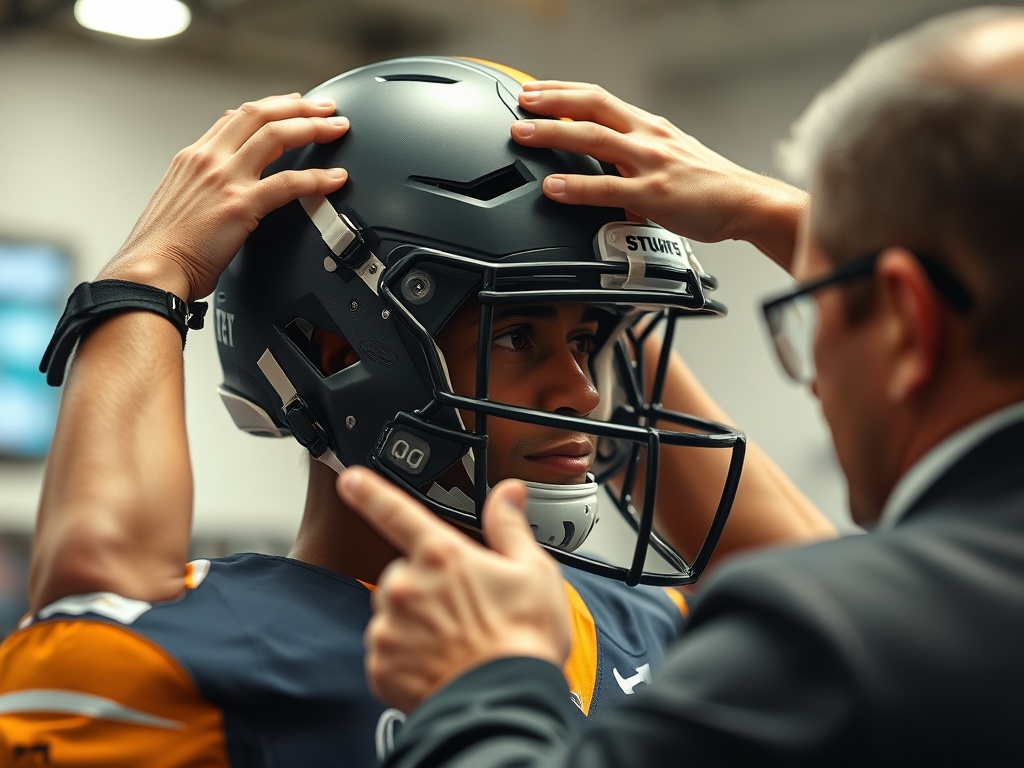
A helmet should sit level, cover the forehead properly, and feel snug without creating painful pressure points. The jaw pads should make even contact, the chinstrap should secure the helmet without pulling it out of position, and the helmet should not slide when the athlete turns or nods. Many manufacturers provide model-specific fitting steps, and those instructions matter. For deeper context, see NAERA helmet reconditioning information.
The safest buying process is hands-on fitting with trained staff when possible. Online purchases can work, but only if returns are realistic. If an athlete is between sizes, do not assume the larger size is better. Extra movement can defeat the purpose of careful fitting. For deeper context, see beginner’s guide to player positions in Soccer, Basketball, Baseball, and Football.
Certification, reconditioning, and age
NOCSAE standards are central to football helmet certification in the United States. NOCSAE explains that reconditioning and recertification should follow manufacturer instructions to maintain proof of compliance. NAERA members are licensed by NOCSAE to recertify football helmets and face guards. That matters when evaluating school inventory or used gear.
A used helmet may look fine but still have an expired recertification label, damaged hardware, degraded padding, or a history the seller cannot prove. If the helmet cannot be verified, budget savings may not be worth the risk.
Feature comparison for practical buyers
| Buying factor | What to check | Why it matters |
|---|---|---|
| Fit | Level shell, snug pads, stable chinstrap | Reduces shifting during play |
| Certification | Current NOCSAE status and label | Confirms compliance pathway |
| Reconditioning | Manufacturer-guided process and records | Maintains proof of compliance |
| Comfort | Pressure points, weight, ventilation | Supports consistent wear |
| Used condition | Age, cracks, hardware, history | Avoids unknown risk |
Budget guidance without false savings
Entry-level certified helmets may be appropriate for some players when they fit well and meet league requirements. More expensive helmets may offer comfort systems, impact-management designs, lighter materials, or easier adjustment. Price alone does not prove safety for a particular athlete. The best value is the least expensive helmet that fits correctly, meets current requirements, and can be maintained responsibly.
Families should also budget for mouthguards, chinstraps, replacement hardware, and reconditioning if the helmet will be used across seasons. For a new player who is still learning the sport, the beginner positions guide can help clarify how equipment needs fit into the overall football experience.
When to replace instead of repair
Replace or remove a helmet from use when it has cracks, missing hardware, padding that no longer holds shape, an unclear history, or failed recertification. Do not modify the shell, drill holes, paint it against manufacturer guidance, or add accessories that are not approved for the model. Small changes can affect compliance and fit.
After any significant impact or suspected damage, have the helmet inspected through the proper equipment process. A coach’s quick glance is not the same as reconditioning or certified inspection.
Questions to ask before checkout
Ask which standard the helmet meets, when it was manufactured, when it was last reconditioned, and what the return policy allows after fitting. Ask whether replacement pads are available and whether the model is accepted by the league. For school or club programs, keep records so families are not relying on memory each season.
This is a middle-of-funnel decision: the reader is not just learning what a helmet is, but deciding what to buy and when. A careful process is more useful than a list of trendy models.
Final fit audit before first contact
Before the first full-contact session, run a final audit with the athlete in the full uniform. Shoulder pads, chinstrap, mouthguard, and hairstyle can all change how the helmet feels. A helmet that seemed fine in a store may shift once the player moves.
Document the model, size, purchase date, and reconditioning plan. For teams, a simple equipment log makes future decisions easier and helps families understand when inspection or replacement is due.
Choose the helmet that can be verified
Buy the helmet that fits the athlete, meets current requirements, and has a clear maintenance path. Walk away from any option that cannot be checked, even if the price looks attractive.