
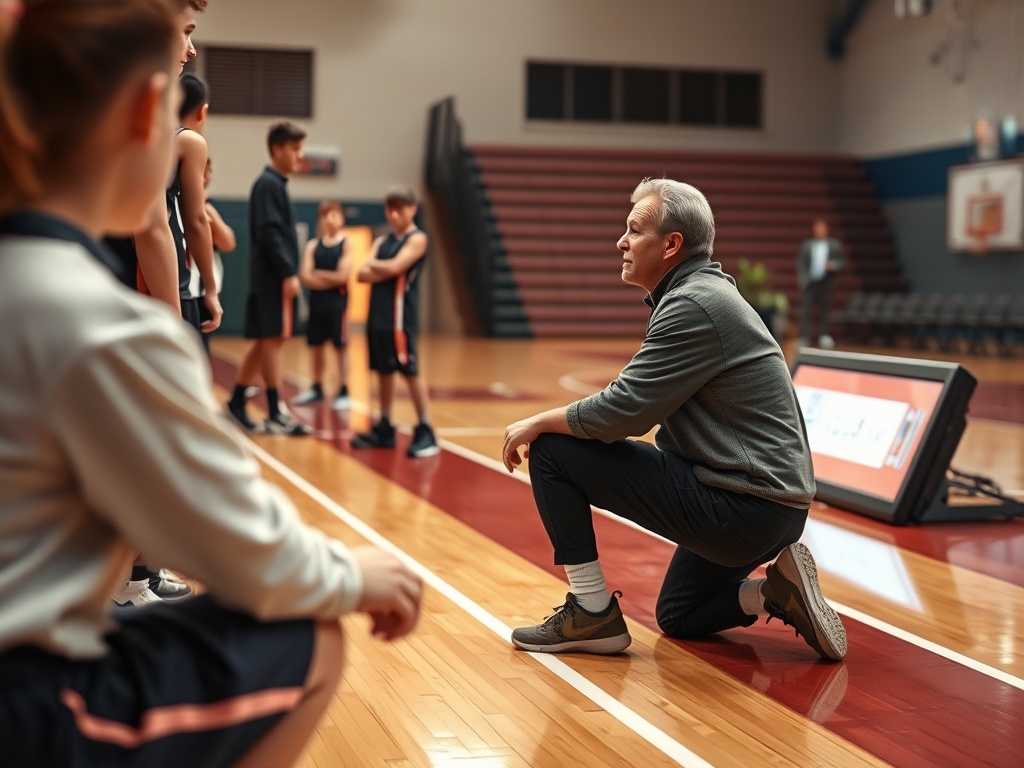
Good in-game adjustments solve one clear problem at a time while preserving player confidence, role clarity, and the flow of the game.
TL;DR: Overcoaching often happens when every mistake becomes an instruction.
- The best adjustment is specific, observable, and small enough to apply on the next possession or sequence.
- Coaches should separate urgent safety issues from tactical preferences.
The adjustment problem coaches actually face
The hard part is not noticing that something is wrong. Most coaches can see missed rotations, rushed shots, poor spacing, or bad matchup choices. The hard part is deciding what to address now, what to save for a timeout, and what to review after the game. Too much instruction during live play can make athletes hesitant. Too little guidance can leave the same problem repeating. For deeper context, see how multi-sport participation helps long-term athletic development.
A useful rule is to adjust the constraint, not the athlete’s entire game. Change the matchup, simplify the read, alter the spacing, or give one cue. Players need to know the next action, not receive a lecture about every action that led to the mistake.
Sort signals from noise
One mistake is noise. Three similar mistakes may be a signal. A missed shot does not always mean the offense is broken. A turnover does not always mean the passer made the wrong read. Look for repeat patterns: the same gap opening, the same defender late, the same press causing panic, or the same restart creating confusion. This pattern-based view keeps analysis fair. For deeper context, see how to stay composed in close games and high-leverage moments.
Coaches should also account for opponent quality. Sometimes the other team is executing well. Calling every opponent success a failure by your own players can damage trust. A more balanced message is: “They are finding this space; we are going to take it away earlier.” For deeper context, see NCAA mental health best practices.
A three-question sideline filter
Before speaking, ask: Is this urgent, is it teachable now, and can the athlete control it? Safety issues are urgent. A repeated tactical breakdown may be teachable during a stoppage. A complex technical flaw under fatigue is usually better saved for practice. This filter helps coaches avoid the habit of narrating the game from the sideline.
The same filter supports athlete ownership. Instead of always giving the answer, ask a player what they are seeing. A captain, point guard, catcher, quarterback, or center back may have useful information from inside the game.
Communication that keeps players decisive
Short language wins during competition. Use cue words already trained in practice. If a basketball team uses “wide exit” for spacing out of pressure, use that exact phrase. If a soccer team uses “screen shoulder” for midfield awareness, do not invent a new term during a tense moment. Familiar language reduces processing time.
Tone matters as much as content. A calm correction says the problem is solvable. A frantic correction can make athletes feel the game is slipping away. This is where mental composure and coaching restraint overlap.
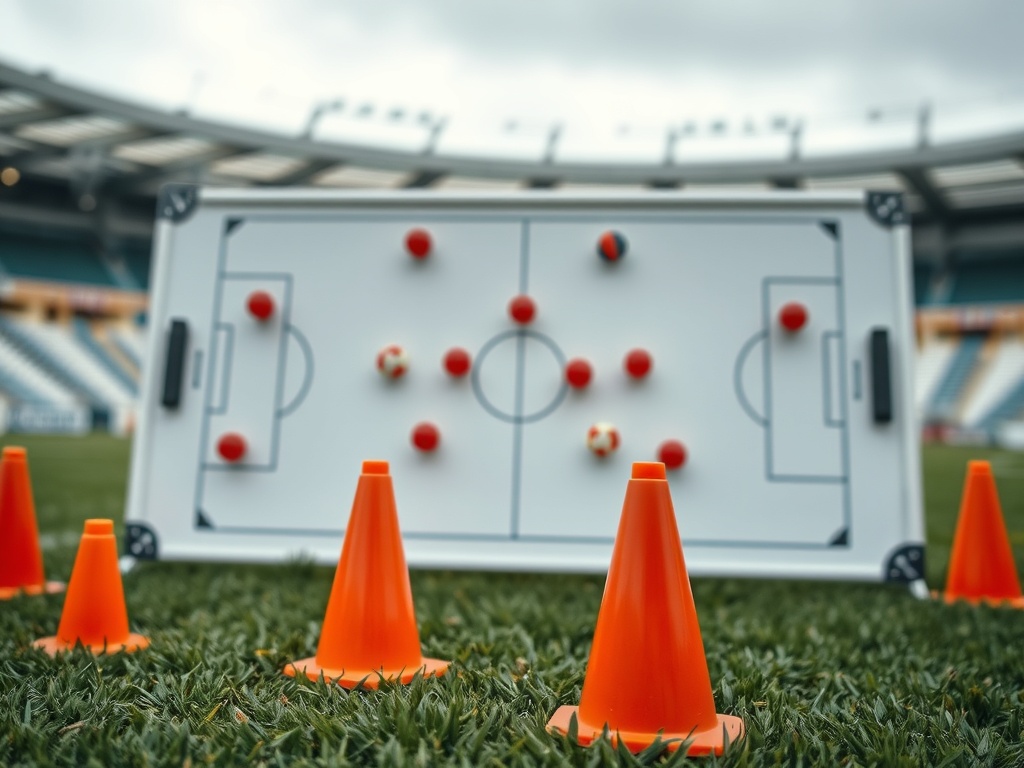
Adjustment types and when to use them
| Adjustment type | Best use | Risk if overused |
|---|---|---|
| Matchup change | A repeated physical or tactical mismatch | Players feel blamed |
| Spacing tweak | Congested attacks or poor passing lanes | Too many moving parts |
| Tempo change | Rushed decisions or low energy | Loss of rhythm |
| Role simplification | Young players under pressure | Predictability |
Practice habits that make live changes easier
Teams adjust better when practice includes decision points. Add short freeze moments where players explain what they see. Use small-sided games with constraints, such as limited touches, altered scoring zones, or matchup switches. These exercises teach athletes to recognize cues without waiting for the bench.
Film review can help, but it should not become a blame session. Clip one pattern, show the desired solution, and connect it to the next practice. The goal is shared language. The article on multi-sport participation connects here because adaptable athletes often read changing game environments more comfortably.
Mistakes to avoid when the score gets tight
Do not change the entire plan because of one emotional sequence. Do not bench a player without explaining the role if the issue is tactical rather than effort-based. Do not give a young athlete a brand-new responsibility in the final minutes unless it is simple and necessary. Most of all, do not confuse control with coaching. The game belongs to the players once it starts.
A coach can still be active. The key is to make fewer, better interventions.
Bench notes that keep adjustments useful
Keep a small note card with two columns: patterns to watch and cues already trained. During the game, mark only repeated patterns. This prevents the staff from chasing every emotional moment and gives the post-game review a cleaner starting point.
Assistant coaches can help by owning one observation area, such as transition defense, restart shape, or substitution timing. When each adult watches a defined piece, the head coach receives clearer information and players hear fewer competing messages.
Coach the next decision, not the last mistake
Pick the smallest useful intervention, use shared language, and review larger lessons later. That balance keeps players active thinkers instead of sideline-dependent performers.