
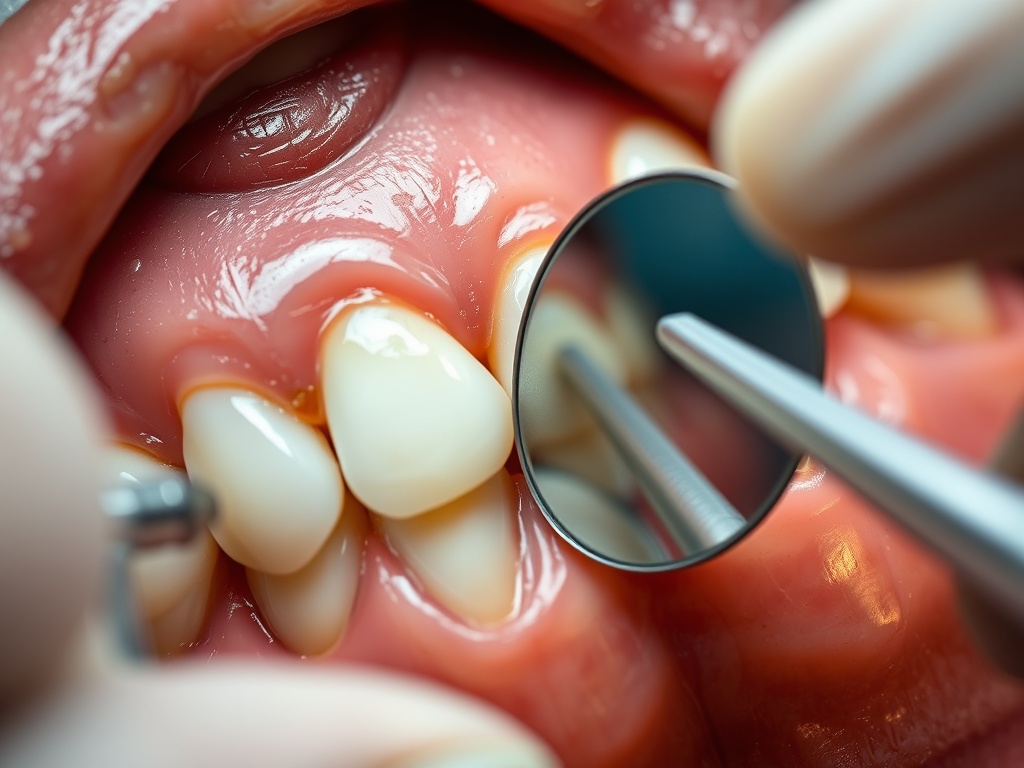
Repair vs Replace: When Old Dental Work Can Be Fixed
Old fillings, crowns, and bonding do not always need full replacement the moment they look worn. The key question is whether the restoration is still sealing and supporting the tooth or whether the tooth-restoration system is starting to fail.
TL;DR
- Dentists often choose between monitoring, polishing, repairing, or replacing based on margins, cracks, decay, bite forces, and remaining tooth structure.
- A small defect in otherwise sound work may be repairable; widespread leakage, fracture, recurrent decay, or a compromised tooth may point toward replacement.
- Pain, swelling, food trapping, or a change in how the tooth fits together are signs to book sooner rather than later.
What dentists are evaluating
A restoration is not judged on age alone. A very old filling can still function well, while a newer one can fail if the tooth cracks, decay returns at the margin, or heavy clenching overloads it. NIDCR explains that fillings are used to repair teeth after decay is removed, while crowns are typically used when there is not enough sound tooth left for a simpler restoration.
- Are the edges sealed, or is there a gap that catches floss, plaque, or food?
- Is the surrounding tooth cracked, weak, or missing so much structure that a patch will not last?
- Is the problem cosmetic only, or is there decay, fracture, sensitivity, or bite instability underneath?
- Would removing the restoration sacrifice a lot of remaining tooth?
Planning Notes for Repair vs Replace
Repair is most attractive when the restoration is mostly sound and the defect is localized. Examples include a chipped composite edge, a small worn area, a rough spot that traps plaque, a crown margin that can be polished, or a bite issue that can be adjusted. Repair may also make sense when replacing the entire restoration would require removing additional tooth structure that is still healthy.
This conservative approach is especially useful when the goal is to extend the life of a restoration while preserving the tooth. Repair is not a shortcut if the biology is stable and the dentist can isolate the problem precisely.
Planning Notes for Repair vs Replace During Planning
Replacement becomes more likely when the problem is not just on the surface. Recurrent decay under a filling, a crown that no longer seals, a fractured cusp, repeated breakage, or a tooth that has already been patched multiple times may mean the old restoration has reached its limit. In those cases, another small repair can delay the inevitable while allowing the tooth to weaken further.
| Situation | Repair is more likely when… | Replacement is more likely when… |
|---|---|---|
| Composite filling | The defect is small and localized | Decay, crack lines, or major wear involve a large portion of the filling or tooth |
| Crown | Cement washout or edge roughness is minor and the crown still fits well | The crown is loose, fractured, leaking, or the tooth underneath is compromised |
| Bonding/veneer edge | One corner chipped and color match is still acceptable | Repeated chipping, deep staining, or fit and contour are poor |
| Implant crown | The restoration is serviceable and the issue is mainly screw access or minor wear | The crown, abutment, or surrounding tissues show more extensive problems |
Why sequencing matters
Sometimes the decision is not just repair versus replace. It is what to do first. If a tooth is painful, a dentist may need imaging and pulpal testing before promising any restorative option. If the bite is unstable, adjusting the bite or addressing grinding may protect the next restoration better than simply remaking the old one. If the gum around the tooth is inflamed, the tissue may need to settle before a final margin decision.
This is one reason a comprehensive exam often comes before definitive treatment planning. The restoration may look like the issue, while the larger issue is decay risk, clenching, gum disease, or a fracture pattern.
Planning Notes for Repair vs Replace Before Treatment
A stable concern related to Repair vs Replace: When Old Dental Work Can Be Fixed may fit a routine appointment, but any rapid progression should trigger another call to the dental office. When reporting Repair vs Replace: When Old Dental Work Can Be Fixed, describe the start time, pattern, triggers, and whether temporary relief stops working as the treatment sequence is documented. The urgency of Repair vs Replace: When Old Dental Work Can Be Fixed depends on how quickly symptoms are changing and whether swelling, fever, trauma, bleeding, or loss of function is present.

For patients comparing appearance concerns with health concerns, Professional Teeth Whitening: Who Gets the Best Results? helps explain why color changes do not always call for replacement. If swelling or drainage is present, start with What a Draining Gum Boil Usually Means.
Questions worth asking before you agree to treatment
- Is the tooth itself strong enough for a repair, or is the remaining structure the bigger issue?
- What is the main reason you recommend replacement: decay, fracture, leakage, bite, or esthetics?
- If we repair this now, what would make full replacement more likely later?
- Will the next restoration be different in material or design because of how this one failed?
Key Takeaways for Repair vs Replace
When deciding about Repair vs Replace: When Old Dental Work Can Be Fixed, leave with a written sequence and a specific point at which the plan will be reviewed again while comfort and function are assessed. The practical lesson from Repair vs Replace: When Old Dental Work Can Be Fixed is to connect each recommendation to the diagnosis, personal goal, and maintenance burden.
Sometimes the most conservative move is actually replacement, especially when another small fix would leave weak enamel unsupported or make the next failure more destructive. In other cases, the least invasive choice is a limited repair that buys time and avoids unnecessary drilling. The better explanation is usually the one that talks about the tooth first and the restoration second.
A good repair-versus-replace recommendation is usually conservative in two ways: it tries to preserve tooth structure, and it tries to avoid repeating a failing design. That means the dentist is not just asking whether the old crown or filling can be patched today. They are also asking whether the tooth will still be stronger, cleaner, and easier to maintain after the patch.
Questions About Repair vs Replace
For Repair vs Replace, this part of Questions About Repair vs Replace focuses on the symptom history, previous treatment, current medicines, and the result the patient values most while the expected outcome is clarified, with the same details verified while recovery expectations are clarified. The clinician should also explain which examination finding supports each recommendation and what information could change it for Repair vs Replace before consent is finalized, using the examination and health history rather than a general assumption.
How dentists decide conservatively
Cost Planning for Repair vs Replace
Budgeting for Repair vs Replace: When Old Dental Work Can Be Fixed should also account for maintenance, future repairs, and appointments that may not be included in the initial fee while comfort and function are assessed. An itemized estimate for Repair vs Replace: When Old Dental Work Can Be Fixed should separate diagnosis, preparation, the main procedure, temporary care, laboratory work, and follow-up. For Repair vs Replace: When Old Dental Work Can Be Fixed, confirm what is included, what could be added after new findings, and which payments are due at each stage when maintenance is discussed.
Next Steps for Repair vs Replace
For Repair vs Replace, this part of Next Steps for Repair vs Replace focuses on one clear action, a follow-up date, and reasons to contact the office sooner before the final recommendation is accepted, with the same details verified while recovery expectations are clarified. The clinician should also explain what can be decided now and what depends on further evidence for Repair vs Replace when home-care instructions are prepared, using the examination and health history rather than a general assumption.
Supporting sources: NIDCR dental fillings overview | MouthHealthy crowns overview | NHS overview of dental treatments