
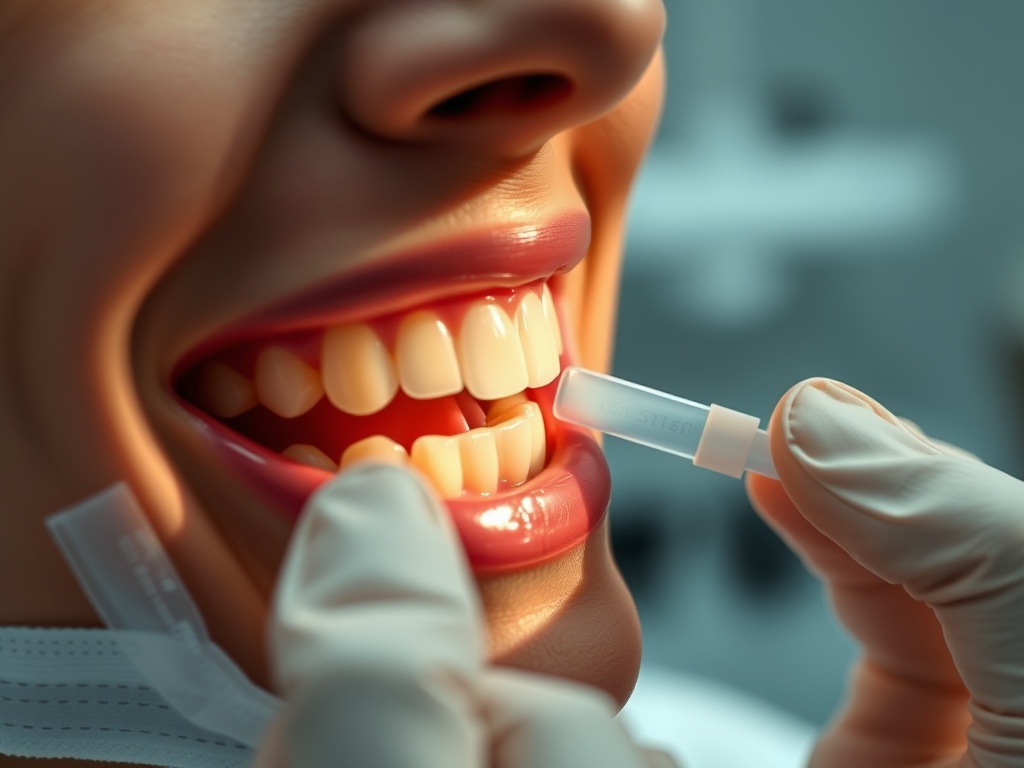
Professional Teeth Whitening: Who Gets the Best Results?
Professional teeth whitening tends to work best when the color problem is on natural teeth and the person’s expectations match what bleaching can and cannot change. The strongest candidates are not the people who want the brightest result at any cost, but the ones whose staining pattern is actually responsive.
TL;DR
- Whitening works on natural tooth structure, not on crowns, veneers, fillings, or bonding.
- Extrinsic and some intrinsic discoloration may improve, but the result depends on the source of the stain and the starting shade.
- Sensitivity, uneven color, and mismatched old dental work are common reasons people need a treatment plan, not just a whitening kit.
Who usually sees the most noticeable improvement
- People with yellow or surface-associated staining on natural teeth.
- People who start with generally healthy gums and little untreated decay.
- People who do not have multiple visible restorations on the front teeth.
- People who understand that whitening brightens rather than redesigns the smile.
The ADA notes that common whitening agents include hydrogen peroxide and carbamide peroxide, and that whitening can be effective for both extrinsic and intrinsic staining. The same ADA guidance also points out an important limit: only natural teeth can be whitened, not tooth-colored restorations.
Who often gets disappointing results
Whitening can disappoint when the main issue is not actual stain. Teeth may look darker because they are dehydrated, worn, translucent at the edges, or surrounded by old restorations that no longer match. In those cases, bleaching can make the mismatch more obvious. A patient may end up thinking the whitening ‘failed’ when the real problem is that the visible fillings, crowns, or bonding stayed the same color.
What a dentist checks before whitening
- Untreated cavities, cracks, leaking restorations, and gum inflammation that could make whitening uncomfortable or inappropriate to start right away.
- The cause of the discoloration: surface stain, age-related darkening, trauma, medication-related changes, or existing dental work.
- Your history of sensitivity, recession, grinding, and dry mouth.
- Whether whitening should come before repair, replacement, or cosmetic matching.
In-office vs take-home professional whitening
| Approach | Best for | Main tradeoff |
|---|---|---|
| In-office whitening | People who want supervised treatment and a faster visible change | Often costs more and still may require maintenance |
| Dentist-supervised take-home trays | People who want gradual control and easier touch-ups | Requires consistent home use and patience |
| Over-the-counter products | Milder surface whitening goals | Less tailored, less predictable, and more likely to disappoint if the stain source is complex |
Sensitivity and other limits
Sensitivity is one of the most common reasons a whitening plan needs modification. A dentist may recommend shorter wear times, spacing treatments farther apart, or adding sensitivity support instead of pushing for the strongest possible formula. Whitening also does not repair chips, change tooth shape, close spaces, or fix old dental work. Those are restorative or cosmetic design issues, not bleaching issues.
If you are already thinking about replacing old visible restorations, it is often helpful to read Repair vs Replace: When Old Dental Work Can Be Fixed before committing to a whitening plan.
Comparing Options for Professional Teeth Whitening
For Professional Teeth Whitening, this part of Comparing Options for Professional Teeth Whitening focuses on benefit, limitations, durability, maintenance, timing, and total cost during the initial review, with the same details verified when the diagnosis is confirmed. The clinician should also explain how each choice preserves tooth structure or tissue and what backup treatment may be needed for Professional Teeth Whitening while cost and timing are compared, using the examination and health history rather than a general assumption.
How to decide if whitening is worth it for you
- Ask whether your main concern is stain, shape, wear, or mismatched dental work.
- Ask which teeth will respond and which visible restorations will not.
- Ask what level of maintenance is realistic for your habits, diet, and sensitivity.
- Ask whether whitening should happen before any planned bonding, veneers, or crown replacement.
For patients comparing bigger treatment plans, How Implant Costs Break Down: Surgery, Parts, Imaging, and Restoration and How to Read a Dental Explanation of Benefits Without Guessing can help you think about the cosmetic and financial sides separately.
Before you decide
The best whitening results usually happen when the discoloration is actually bleach-responsive and the teeth being treated are natural teeth. If old bonding, crowns, recession, or sensitivity are part of the picture, the smartest move is a plan that starts with diagnosis and sequencing, not with the strongest product on the shelf. A routine dental visit can help you figure out which category you are in.
It can also make sense to wait when one front tooth looks very different from the others. A single dark tooth may reflect trauma or a nerve-related change rather than ordinary stain. In that situation, a dentist may recommend imaging and testing before any whitening plan is started.
Whitening usually should not be the first move when there is untreated decay, active gum inflammation, a cracked tooth, or significant sensitivity. Those issues can make bleaching more uncomfortable and can also distract from a bigger problem that needs diagnosis first.
Questions About Professional Teeth Whitening
When Professional Teeth Whitening: Who Gets the Best Results is reviewed, ask the dentist to connect each recommendation to the examination findings and compare reasonable alternatives. Before leaving the discussion of Professional Teeth Whitening: Who Gets the Best Results, confirm the first step, expected follow-up, and warning signs that justify earlier contact before consent is finalized. A consultation about Professional Teeth Whitening: Who Gets the Best Results is more useful when you bring a brief timeline, current medicines, relevant health conditions, and details of earlier dental work.
Clinical Checks for Professional Teeth Whitening
Before accepting a plan for Professional Teeth Whitening: Who Gets the Best Results, request a plain-language explanation of what would make the diagnosis or treatment sequence change when the diagnosis is confirmed. A sound decision about Professional Teeth Whitening: Who Gets the Best Results begins with the findings that can be seen, measured, photographed, or confirmed on dental imaging.
Comparing Options for Professional Teeth Whitening During Planning
For Professional Teeth Whitening, this part of Comparing Options for Professional Teeth Whitening During Planning focuses on benefit, limitations, durability, maintenance, timing, and total cost while the options are being narrowed, with the same details verified when the diagnosis is confirmed. The clinician should also explain how each choice preserves tooth structure or tissue and what backup treatment may be needed for Professional Teeth Whitening while the expected outcome is clarified, using the examination and health history rather than a general assumption.
Planning Notes for Professional Teeth Whitening
Timing and Recovery for Professional Teeth Whitening
Before scheduling Professional Teeth Whitening: Who Gets the Best Results, ask how delays, missed visits, or slower healing could change comfort, cost, and the final result when the diagnosis is confirmed. The timeline for Professional Teeth Whitening: Who Gets the Best Results should include diagnosis, preparation, treatment, healing, adjustment, and maintenance rather than only the main appointment. For Professional Teeth Whitening: Who Gets the Best Results, clarify which steps can be combined, which require biological healing, and when temporary protection may be needed while cost and timing are compared.
Home Care and Follow-Up for Professional Teeth Whitening: Who Gets the Best Results
For Professional Teeth Whitening, this part of Home Care and Follow-Up for Professional Teeth Whitening: Who Gets focuses on safe cleaning tools, foods, products, and daily techniques before treatment is scheduled, with the same details verified when the diagnosis is confirmed. The clinician should also explain which changes are expected and which should prompt an earlier call for Professional Teeth Whitening when a second opinion is considered, using the examination and health history rather than a general assumption. Recording that explanation gives the patient a clearer next step for Professional Teeth Whitening before treatment is scheduled, especially when follow-up duties are reviewed when the diagnosis is confirmed.
Supporting sources: ADA whitening overview | NIDCR oral hygiene basics | NHS overview of dental treatments