

Spa-treatment bookings go wrong when travelers choose a treatment name or time slot without checking what the service involves, who provides it, what health information matters, and how it fits around travel, sun, activities, and special events. The safest plan treats the booking as a specific service with its own preparation, contraindications, cancellation terms, and aftercare.
TL;DR: Ask what the treatment actually includes, share relevant health information with an appropriate professional, distinguish wellness services from medical or device-based procedures, check product sensitivities, leave scheduling flexibility, understand prices and service charges, and follow provider instructions rather than generic travel advice.
Mistake 1: Booking by treatment name without asking what it means
Names such as signature massage, detox ritual, recovery treatment, anti-aging facial, hydrotherapy circuit, body polish, or wellness reset are marketing descriptions, not standardized clinical definitions. Two spas can use the same phrase for very different techniques, products, duration, intensity, or equipment.
Ask for a plain-language description before reserving. Confirm the hands-on time, products used, pressure or technique options, whether heat or water facilities are involved, and any preparation instructions. If the treatment includes a device, peel, needling, injection, or other procedure beyond ordinary spa services, ask who performs it and under what professional framework.
For a premium resort stay, this is one of several details worth confirming in advance. These high-end stay booking mistakes also cover deposits, room expectations, transfers, and special-occasion assumptions.
Mistake 2: Hiding health information because the appointment feels nonmedical
Massage and bodywork are generally low risk for many people when performed appropriately, but they are not risk-free for everyone. The U.S. National Center for Complementary and Integrative Health advises people who are unsure whether massage is appropriate to discuss concerns with a healthcare provider. See NCCIH’s massage-therapy guidance.
Complete the spa’s health questionnaire accurately and ask how relevant conditions, pregnancy, recent procedures, injuries, skin problems, medications, or allergies may affect the service. The provider may modify or decline a treatment. That is a safety decision, not a service failure.
Do not use an article or hotel concierge as a substitute for individualized medical advice. If you have a significant health condition or are considering a medical or device-based procedure, consult an appropriately qualified healthcare professional.
Mistake 3: Assuming every resort spa treatment is purely cosmetic or wellness-focused
Some properties or affiliated facilities offer services that cross into medical aesthetics or use regulated devices. Travelers can mistakenly assume that a resort setting means the same oversight applies to every service.
Ask whether the procedure is a conventional spa service, a cosmetic service, or a medical procedure under local law. For example, the U.S. FDA states that radiofrequency microneedling is a medical procedure, not a cosmetic treatment. That specific FDA guidance applies to the United States and should not be generalized into licensing rules for other countries.
If a treatment is invasive or device-based, verify the provider’s credentials and the local regulatory framework before booking. A luxury setting is not evidence of clinical suitability.
Mistake 4: Scheduling the most important treatment at the most fragile time
Travel delays, weather, late transfers, and long check-in lines can make an arrival-day appointment risky. A treatment booked just before a wedding, photo session, flight, demanding hike, or beach day can also create problems if the provider recommends rest, sun avoidance, or other aftercare specific to that service.
Ask the spa for preparation and aftercare instructions before choosing the time. Build enough buffer to follow them. Do not assume that advice for one facial, peel, massage, heat treatment, or device applies to another.
If the spa visit is part of a resort day pass, review these day-pass booking mistakes because access hours, lockers, arrival rules, and facility inclusions may affect the appointment.
Mistake 5: Ignoring product ingredients and skin sensitivities
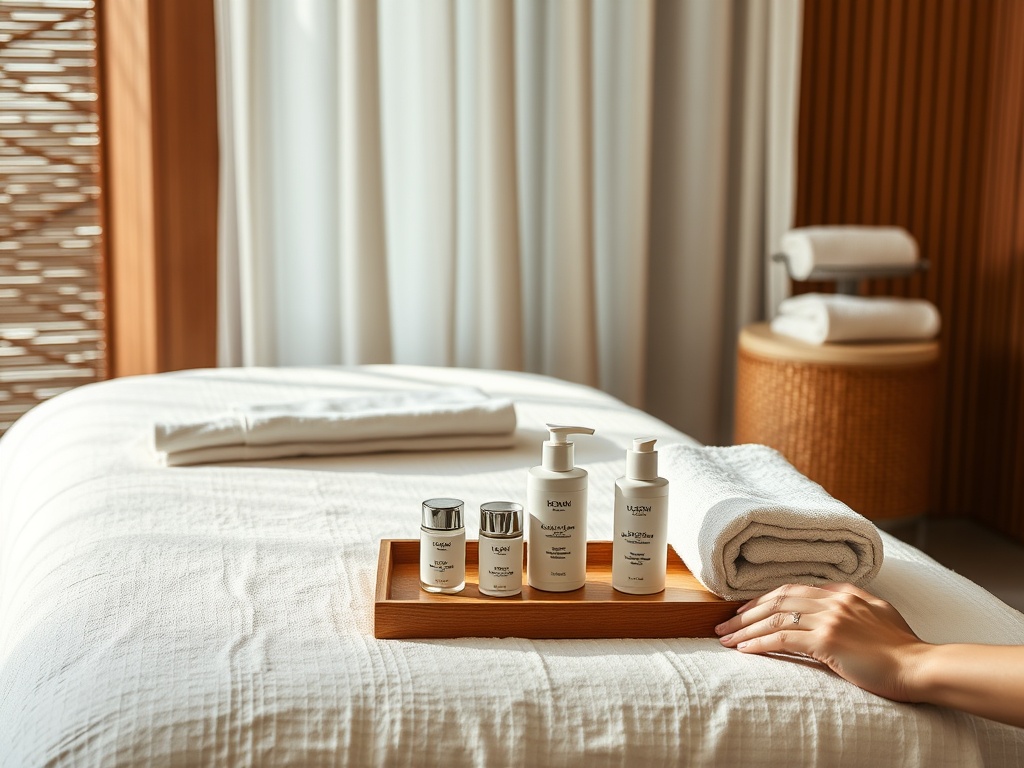
Facials, wraps, scrubs, aromatherapy, nail services, and hair or skin treatments can involve fragrances, botanical ingredients, acids, adhesives, oils, dyes, or other products that may not suit every guest. A “natural” label does not guarantee that a product will not cause irritation or an allergic reaction.
Tell the provider about known allergies and sensitivities. Ask what will be used and whether a simpler alternative is available. For cosmetic products, the U.S. FDA’s consumer guidance on using cosmetics safely is a useful general reference, while local product regulation varies by country.
If a previous product or treatment caused a significant reaction, discuss that history with an appropriate healthcare professional rather than testing a similar service on vacation simply because it is included in a package.
Mistake 6: Looking only at the menu price
A spa menu may list a treatment price without making the full payment structure obvious at a glance. Taxes, mandatory service charges, optional gratuity, facility access, product add-ons, or cancellation fees can change the total. Some packages include spa credit but restrict how or when it can be used.
Ask for the final expected charge and what is included. Clarify whether gratuity is already included or optional according to the property’s policy and local custom. If you are using a resort credit, confirm eligible treatments and whether unused value is forfeited.
Do not add treatments solely to consume a credit. Choose services based on suitability and interest first, then apply the benefit if it genuinely reduces the cost.
Mistake 7: Treating the cancellation policy as an afterthought
Spa capacity is limited, especially for couples rooms, preferred therapists, or peak-time appointments. That is why cancellation and no-show policies can be stricter than a casual restaurant booking.
Record the cancellation deadline in local time and the method required to change the appointment. If your treatment depends on an outdoor activity finishing on time, leave a larger buffer or choose a later day. For adventure-focused stays, the recovery and scheduling issues in these adventure resort trip mistakes can help prevent a weather delay from turning into a spa no-show charge.
A recovery plan if the treatment or reaction is not what you expected
If the service itself differs from the booked description, raise the issue promptly and factually with the spa. Identify the booked duration, product, technique, or inclusion that did not match and ask what remedy is available under the property policy.
If you develop a concerning physical reaction, stop using the suspected product or service and seek appropriate medical care based on severity. Keep the product name or treatment details if available because they can help a clinician understand the exposure. In the U.S., FDA also provides a process for reporting adverse events related to cosmetic products, but immediate healthcare needs come first.
| Spa-booking mistake | What to verify | Better move |
|---|---|---|
| Booking by marketing name | Technique, products and duration | Ask for a plain-language description |
| Withholding health details | Relevant conditions and medications | Complete screening honestly |
| Assuming “spa” means nonmedical | Device or procedure type | Verify credentials and local rules |
| Fragile timing | Preparation and aftercare | Leave a buffer around travel and events |
Book the treatment, not just the time slot
A good spa booking is specific: you know what will happen, who will provide it, what it costs, how to prepare, and what to do afterward. Before confirming, read the description, disclose relevant health information, verify any medical or device-based procedure, and choose a time that can absorb travel delays. That preparation makes the appointment easier to evaluate and much less dependent on assumptions created by the treatment name or resort setting.