
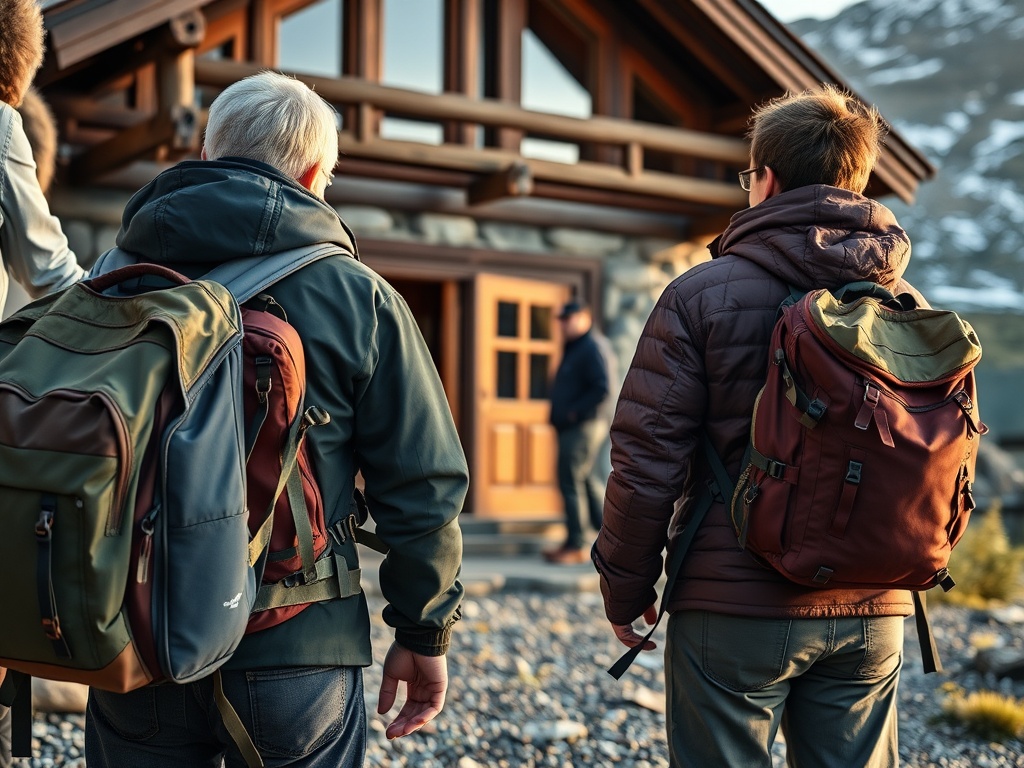
Adventure resort trips fail when travelers book the room and the activity list as if the destination were a controlled theme park. Terrain, altitude, weather, road access, guide availability, equipment, fitness, and emergency response can all shape what is realistically possible.
TL;DR: Match activities to the least experienced participant, check altitude and acclimatization, verify operator and equipment details, build weather alternatives, understand insurance and evacuation limits, and leave recovery time between demanding activities.
Mistake 1: Choosing activities by excitement level instead of ability
A resort may offer hiking, skiing, mountain biking, rafting, climbing, canyoning, horseback riding, or guided wildlife excursions, but an activity menu does not mean every option suits every guest. Difficulty labels can also vary by operator and destination.
Ask what the activity actually involves: duration, elevation gain, terrain, water conditions, technical skills, age or weight restrictions, swimming ability, required equipment, and the point at which a guest can turn back. If the group has mixed abilities, choose an option that the least experienced participant can complete safely or split into different activities.
The U.S. national park service’s hike smart guidance emphasizes knowing your limits, planning the route, checking conditions, and having a backup plan. Those principles are useful beyond national parks even though local rules and operator procedures differ.
Mistake 2: Treating altitude as a fitness test
Good fitness does not make a traveler immune to altitude illness. A mountain resort may place guests at a sleeping elevation far above what they are used to, and a rapid arrival followed by strenuous activity can leave little time to adjust.
The CDC’s high-altitude travel guidance advises gradual ascent and explains that travelers can be at risk for altitude illness at higher elevations. People with relevant medical conditions should seek individualized medical advice before high-altitude travel.
Do not schedule the hardest activity immediately after arrival at elevation. Ask the resort or operator for the sleeping elevation and the highest point of planned excursions, then build an acclimatization schedule appropriate to the itinerary. If symptoms develop, follow current medical guidance rather than trying to “push through” to preserve a booking.
Mistake 3: Booking a zero-flexibility activity sequence
Adventure itineraries are unusually exposed to weather and environmental conditions. Wind can close lifts, rain can affect trails, wildfire or avalanche risk can restrict access, rivers can change, and local authorities may close roads or routes.
A tight sequence of prepaid activities gives one cancellation the power to disrupt several days. Ask each operator about weather decisions, cancellation timing, rescheduling, credits, and minimum participant requirements. Keep at least one flexible block that can absorb a moved activity.
For family groups, the impact of a schedule change multiplies. The planning ideas in these multigenerational resort-trip mistakes help prevent one person’s fatigue or limitation from collapsing the whole plan.
Mistake 4: Assuming the resort supplies every piece of suitable equipment
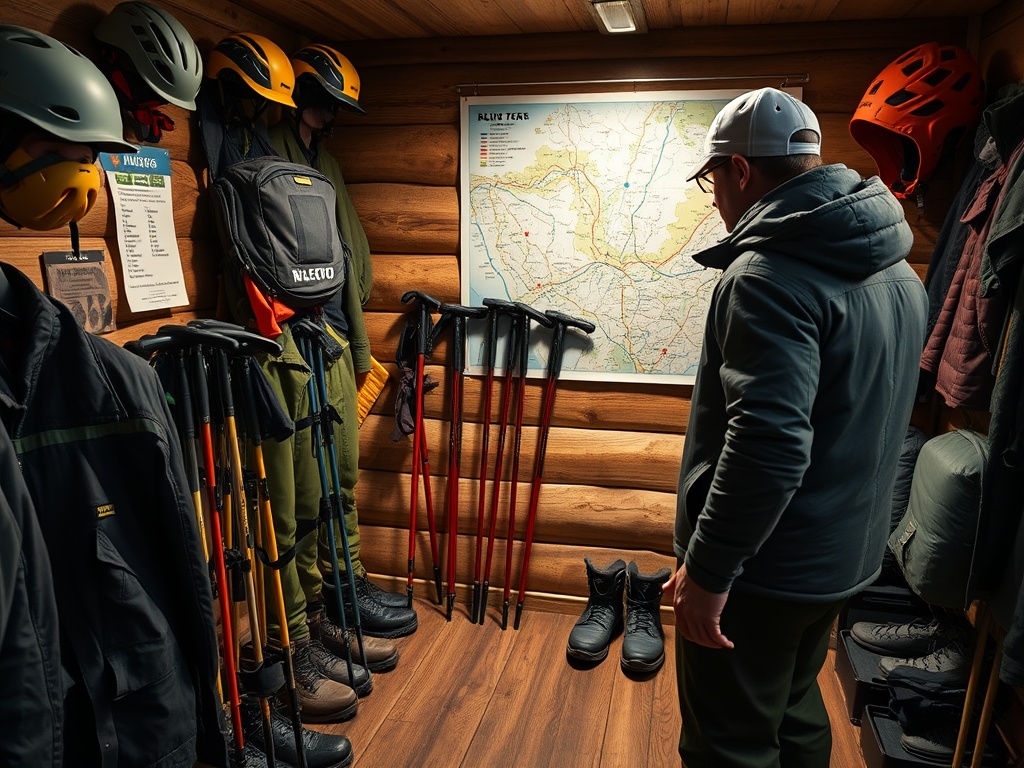
“Equipment included” can mean different things. A ski package may not include outerwear. A guided hike may require personal footwear and layers. A bike rental may have limited sizes. Protective equipment may be provided but still require a correct fit.
Request the equipment list before travel and separate required personal items from rental items. Confirm sizing, replacement options, and whether specialist equipment needs to be reserved. If you have a safety-critical item that must fit precisely, decide whether bringing your own is more reliable and check airline or transport rules first.
Mistake 5: Ignoring remoteness and emergency access
A beautiful lodge can be hours from advanced medical care or reachable only by seasonal road, boat, cable car, or small aircraft. That does not make it unsuitable, but it changes the planning standard.
Ask how emergency response works for the property’s common activities and what communication is available outside normal mobile coverage. Check whether your insurance covers the activities you plan to do and whether medical evacuation is included or excluded. The CDC’s 2026 Yellow Book provides background on travel insurance and medical evacuation insurance, while actual coverage depends on the policy you buy.
Keep essential medication, emergency contacts, and policy information accessible. For remote excursions, leave the itinerary with someone who is not on the activity when appropriate.
Mistake 6: Choosing the property on scenery while ignoring seasonal access
Mountain and nature lodging can change dramatically by season. A road may be easy in summer and require chains, winter tires, a shuttle, or closure monitoring in winter. A shoulder-season stay may have limited lifts, restaurants, guides, or transport even when the hotel itself is open.
Ask what facilities and routes are operating on your exact dates. Check official road, park, weather, and hazard information close to departure. A generic photo gallery from peak season is not evidence that the same access or activities will be available when you travel.
If sustainability claims are part of the property’s appeal, separately review these greenwashing mistakes travelers miss so environmental marketing does not replace practical evidence.
Mistake 7: Filling every day with high-output activities
Adventure trips can become less enjoyable when recovery is treated as wasted time. Repeated early starts, altitude, sun, cold, unfamiliar movement, and long transfers can accumulate fatigue even when each activity is individually manageable.
Alternate demanding and lighter days when the trip allows it. Leave space for weather rescheduling and rest. If the resort has a spa or recovery service, do not assume every treatment is appropriate immediately after strenuous activity; review these spa-treatment booking mistakes and ask qualified providers about any health concerns.
A quick recovery plan when conditions change
If an activity is cancelled, check the operator’s documented options before buying a replacement elsewhere. A credit, reschedule, or alternate route may be available. If weather or access conditions are deteriorating, prioritize safety and transport rather than trying to protect the prepaid itinerary.
For an injury or illness, use local emergency and medical services as appropriate. Do not rely on a resort activity desk for medical diagnosis. Keep receipts and incident documentation if you may need to make an insurance claim later.
| Adventure mistake | What to verify | Better move |
|---|---|---|
| Overestimating ability | Real terrain, duration and skill needs | Plan for the least experienced participant |
| Ignoring altitude | Sleeping and activity elevation | Acclimatize and seek medical advice when needed |
| Rigid activity sequence | Weather and reschedule rules | Keep a flexible block |
| Assuming easy rescue | Emergency and evacuation arrangements | Check access and insurance before travel |
Make safety part of the resort choice
The best adventure resort is not simply the one with the longest activity list. It is the one whose terrain, operators, access, equipment, and backup options fit your group. Before paying, verify the hardest activity, the highest elevation, the most fragile transport link, and the emergency plan. Those checks protect both the adventure and the time you set aside to enjoy it.