
The Best Strength Exercises for Learning Proper Movement Patterns becomes useful when it helps you make a clear, realistic decision instead of chasing a perfect plan. This guide treats each strength move as a skill pattern, so load selection comes after clean control and repeatable range.
TL;DR Key Takeaways
- Use this topic to solve one specific strength training & muscle building problem rather than collecting random tips.
- For strength patterns, judge visible control first, and avoid calling a favorite exercise universally correct.
- Begin with a movement screen of your own: film one set, note control, and adjust only the pattern that needs attention.
- Seek skilled feedback if a pattern causes pain, if old injuries change your form, or if loading decisions feel unsafe.
Why movement patterns matter more than exercise variety
The best strength exercises for learning proper movement patterns are the ones that teach squat, hinge, push, pull, carry, brace, and single-leg control without forcing the body into positions it cannot yet manage. This is a practical training framework, not a claim that one exercise is universally best for every person. The right choice is the one that lets the lifter repeat a clear pattern with stable joints and controlled breathing.
Intermediate readers often know many exercises but still benefit from narrowing the list. A routine crowded with novelty can hide technical gaps. A smaller menu helps you compare how the same pattern feels across weeks. That is especially useful when progressing from machines to free weights, from bodyweight to load, or from basic gym work to sport-specific training.
The seven patterns worth practicing first
A squat pattern trains bending at the knees and hips together. A hinge pattern emphasizes the hips moving back while the spine stays organized. A push pattern trains pressing away from the body. A pull pattern trains drawing resistance toward the body. Carries teach posture under load. Bracing teaches trunk control. Single-leg work exposes balance and side-to-side differences without needing heavy weight. For Article 2 readers comparing this topic with a related guide, Reps, Sets, Rest, Tempo: How to Read a Workout Without Feeling Lost adds a useful next step without repeating the same training angle.
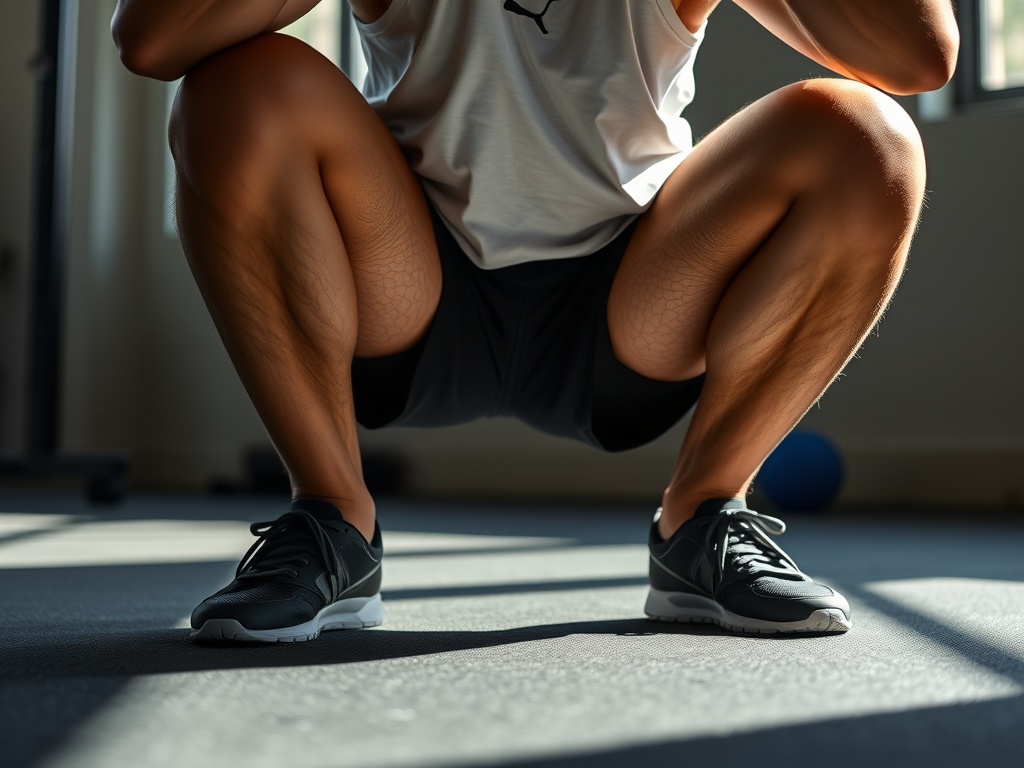
Good examples include goblet squats, Romanian deadlifts, incline push-ups, cable rows, suitcase carries, dead bugs, and split squats. These are not magic exercises. They are teaching tools because they provide feedback. A goblet squat lets the weight act as a counterbalance. A suitcase carry makes leaning obvious. A dead bug shows whether the ribs and pelvis can stay quiet while the limbs move.
How to choose progressions without rushing
Progression should match the pattern, not only the weight. A person may move from a box squat to a goblet squat before using a barbell squat. A hinge may progress from dowel practice to kettlebell deadlifts and then to Romanian deadlifts. This sequence supports learning because the exercise becomes more demanding only after the basic pattern is repeatable. For Article 2 evidence context, review the HHS physical activity guidance, then adapt the general guidance to your own risk level and routine.
The HHS physical activity guidelines support muscle-strengthening work as part of an overall active life, but they do not require one exact exercise list. That leaves room for intelligent selection. For many people, the better bottom-of-funnel decision is not which flashy routine to buy, but which plan has clear progressions, sensible practice volume, and enough coaching detail to protect form.
Mistakes that weaken the learning effect
One common mistake is chasing heavier load before the pattern is consistent. Another is treating machines as useless. Machines can be helpful when they provide stable practice or reduce fear while a person learns effort and range of motion. The mistake is relying on any tool without understanding what pattern it is supposed to teach. If Article 2 raises a related planning question, The Best Mobility Drills for People Who Sit Most of the Day can help you connect the idea to a more complete weekly structure.
A third mistake is copying advanced exercises because they look athletic. A barbell clean, pistol squat, or kipping pull-up might be appropriate in a specific context, but none is required to learn fundamental strength. The practical test is simple: can the exercise be repeated with a clear purpose, a safe setup, and a progression path that does not depend on guesswork?
How to build a pattern-first session
A balanced session can start with one squat or hinge, add one push and one pull, include a carry or core drill, and finish with a lower-intensity mobility or balance exercise. That format gives the body repeated exposure without turning the workout into a random circuit. It also leaves space for warm-up sets, coaching notes, and enough rest to keep quality high. A second reference worth checking is the Mayo Clinic strength training guidance, especially when the topic involves health claims or training intensity.
Track the pattern as well as the exercise name. Instead of only writing leg day, write goblet squat, squat pattern, three sets of eight, controlled depth. Over time, this helps you see whether your program has too much pushing, not enough pulling, or too many exercises that train the same pattern in slightly different ways.
Practical Comparison
| Pattern | Beginner-friendly exercise | What it teaches |
|---|---|---|
| Squat | Goblet squat | Knee and hip bend with upright control |
| Hinge | Kettlebell deadlift | Hip movement without rounding |
| Push | Incline push-up | Pressing with trunk control |
| Pull | Cable row | Shoulder blade movement and posture |
| Carry | Suitcase carry | Anti-lean bracing under load |
Reader Questions To Clarify
Are free weights better than machines?
Not automatically. Free weights add balance demands, while machines can help isolate a pattern or reduce setup complexity.
How many movement patterns should be in one session?
Most general sessions can include four to six, depending on time, goal, and recovery.
What is a sign the exercise is too advanced?
The setup takes longer than the useful work, or form changes before the target reps are complete.
Turning Practice Into Progress
Test one pattern upgrade this week, such as slowing a squat descent or practicing hinges with a dowel. Use the result to decide whether the exercise felt more controlled before adding load. For another Article 2 same-domain connection, The Best High-Protein Breakfast Ideas for Energy and Satiety can extend the discussion into one related habit without forcing a full program change.
If form breaks down despite easier variations, treat that feedback as useful data and seek coaching before progressing. For this the best strength exercises for learning proper movement patterns topic, the practical next step is to make the first week specific enough to complete and modest enough to repeat.