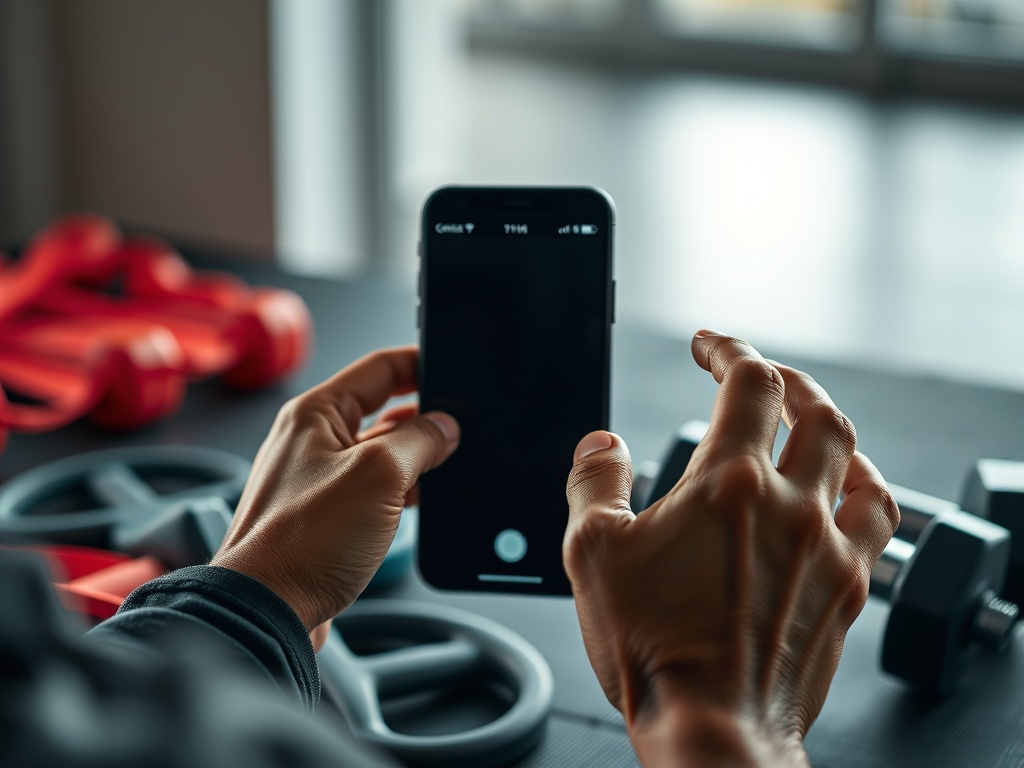

The Best Mobility Drills for People Who Sit Most of the Day becomes useful when it helps you make a clear, realistic decision instead of chasing a perfect plan. This mobility review connects sitting posture, movement breaks, and joint-friendly drills without promising instant correction.
TL;DR Key Takeaways
- Use this topic to solve one specific recovery, mobility & injury prevention problem rather than collecting random tips.
- For mobility work, distinguish joint range, comfort, and consistency from claims about permanent posture fixes.
- Begin with three daily movement breaks and note stiffness changes before adding more drills.
- Get individualized help when numbness, sharp pain, recent injury, or balance problems appear during mobility work.
Why sitting creates a mobility problem for many people
The best mobility drills for people who sit most of the day are short, repeatable movements that restore comfort in the hips, upper back, ankles, shoulders, and neck without turning every break into a workout. Sitting itself is not a character flaw. The issue is long periods in one position with too few movement options across the day.
Product-aware readers may already be comparing apps, stretch programs, chairs, massage tools, or mobility courses. Before buying anything, it helps to identify the actual problem. Do you feel stiff when standing up? Do your hips pinch during squats? Does your upper back feel locked when reaching overhead? A drill should match the movement limitation, not simply look impressive.
The five drill categories worth using
Hip flexor opening helps after long seated blocks. Thoracic rotation helps the upper back move instead of asking the low back or neck to do all the work. Ankle rocks support squatting and walking mechanics. Shoulder wall slides or floor angels can improve overhead awareness. Glute bridges and dead bugs reconnect breathing, pelvis control, and trunk stability. For Article 6 readers comparing this topic with a related guide, the best strength exercises for learning proper movement patterns adds a useful next step without repeating the same training angle.
The WHO guidelines address physical activity and sedentary behavior at a public health level. For an individual workday, the practical translation is frequent movement snacks. A two-minute break every hour may not replace structured exercise, but it can reduce the feeling of being stuck in one posture and make later workouts feel less abrupt.
A simple desk-day sequence
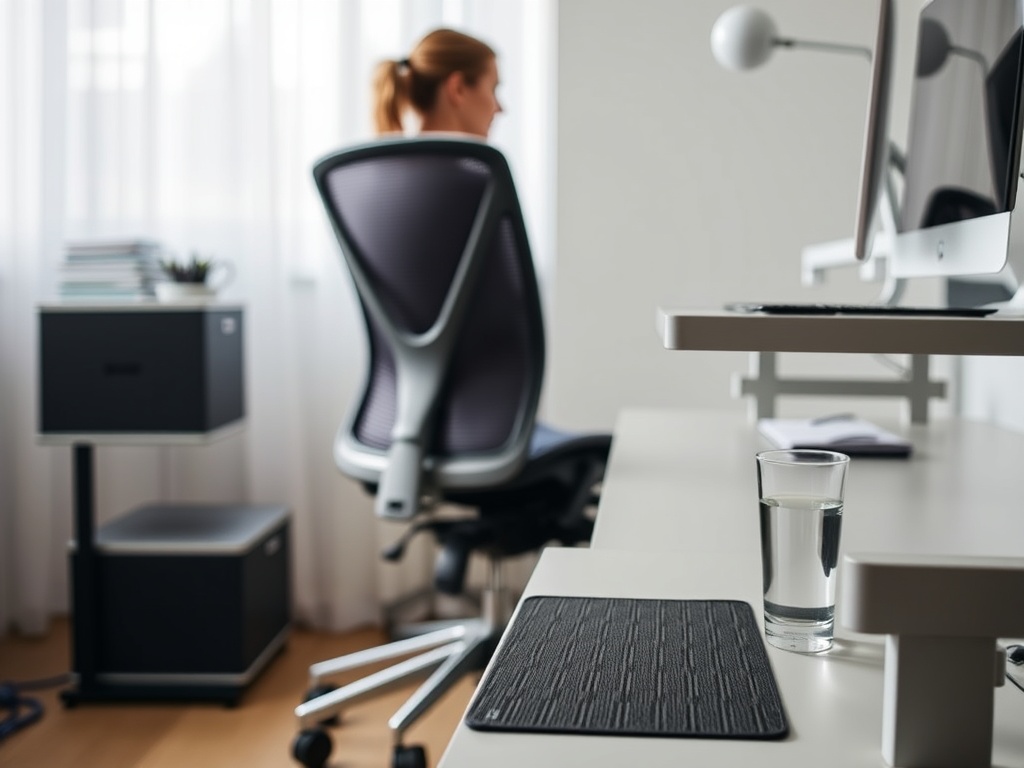
Try this sequence without forcing range: five slow neck turns each side, eight thoracic rotations per side, ten standing hip flexor shifts per side, ten ankle rocks per side, and eight glute bridges or standing hip hinges. The aim is to move joints through comfortable ranges, not to chase pain or dramatic stretching sensations. For Article 6 evidence context, review the WHO physical activity and sedentary behavior guidance, then adapt the general guidance to your own risk level and routine.
Place the sequence between two work blocks, not only after discomfort appears. That small scheduling detail matters. A mobility plan that depends on remembering after six hours of sitting will often be skipped. A plan attached to coffee, lunch, or a recurring calendar break has a better chance of becoming routine.
Mistakes that make mobility drills less effective
The first mistake is confusing pain with progress. Stretching can feel mildly intense, but sharp pain, numbness, tingling, or symptoms that worsen should not be treated as normal. The second mistake is doing only passive stretching when the body also needs strength and control through the new range. Mobility is not only flexibility; it is usable movement. If Article 6 raises a related planning question, how to use heart rate training zones without obsessing over numbers can help you connect the idea to a more complete weekly structure.
The third mistake is using too many drills. A person with ten bookmarked routines may do none of them consistently. Start with three to five movements and measure whether daily comfort, workout warm-ups, or range of motion improves. The fourth mistake is skipping strength work. Better movement patterns often require progressive loading, not endless stretching.
When tools can help and when they are a distraction
Foam rollers, massage balls, mobility apps, and adjustable desks can support a plan, but they do not replace the plan. A roller may help someone feel ready to move. An app may remind someone to take breaks. A desk setup may reduce awkward positions. None of those tools guarantees better mobility if the person still avoids regular movement. A second reference worth checking is the CDC adult activity guidance, especially when the topic involves health claims or training intensity.
For people who sit most of the day, the most reliable starting point is boring and useful: move more often, practice a few targeted drills, add basic strength patterns, and monitor symptoms. If pain is persistent or linked to injury, a qualified clinician should evaluate it rather than relying on generalized internet routines.
A practical mobility log can be very simple. Write down the two positions that feel stiffest, the three drills you will repeat, and one daily moment when you will do them. After two weeks, review whether standing, walking, squatting, reaching, or starting a workout feels easier. This keeps the plan connected to function rather than turning mobility into a random collection of stretches.
Practical Comparison
| Drill | Main area | Best use |
|---|---|---|
| Half-kneeling hip flexor shift | Front of hip | After long seated blocks |
| Open-book rotation | Upper back | Before lifting or after desk work |
| Ankle rock | Ankle and calf | Before squats or walks |
| Glute bridge | Hips and trunk | Reconnecting position and control |
Reader Questions To Clarify
How often should I do mobility drills?
Small daily movement breaks often work better than one long session done rarely.
Should mobility hurt?
No. Mild tension can be normal, but sharp or worsening pain is a warning sign.
Do I need equipment?
Most desk-day drills can be done with bodyweight and a small amount of floor or wall space.
Building a Less Stiff Workday
Test one desk-day mobility cue this week, such as a hip flexor break after long calls. Use the result to decide which drill earns a permanent place in your day. For another Article 6 same-domain connection, reps, sets, rest, tempo: how to read a workout without feeling lost can extend the discussion into one related habit without forcing a full program change.
If mobility drills trigger pain, tingling, or instability, stop the drill and choose individualized support. For this the best mobility drills for people who sit most of the day topic, the practical next step is to make the first week specific enough to complete and modest enough to repeat.